A friend of mine called me last spring, frustrated and a little embarrassed. She’d been doing at-home microneedling for about six weeks — needle depth cranked up, rolling twice a week — and instead of the glowing skin she’d seen on YouTube, she had persistent redness, two small scabs, and what looked suspiciously like post-inflammatory hyperpigmentation. ‘I followed the instructions,’ she kept saying. That conversation is pretty much the reason I went deep on this topic. Microneedling is genuinely powerful, but the gap between what’s marketed and what actually happens on your skin is wide enough to drive a truck through.
So What Is Microneedling, Really?
At its core, microneedling (also called collagen induction therapy, or CIT) uses a device covered in fine needles — typically 0.2mm to 3.0mm in depth — to create controlled micro-injuries in the skin. The body’s wound-healing cascade kicks in: platelets aggregate, growth factors are released, and fibroblasts start synthesizing new collagen and elastin. That’s the clinical version. The street version is: you poke tiny holes in your face on purpose, and your skin panics just enough to rebuild better than before.
The concept isn’t new — it was formally described in dermatological literature in the mid-1990s — but the device landscape in 2025 looks dramatically different from even three years ago. We now have radiofrequency microneedling (RF-MN), nano-needling, automated pens with adjustable speed and depth, and a saturated at-home device market that ranges from genuinely useful to actively harmful.
The Numbers Don’t Lie: What Clinical Data Shows
Let’s anchor this in data, because the anecdotes on social media are all over the place.
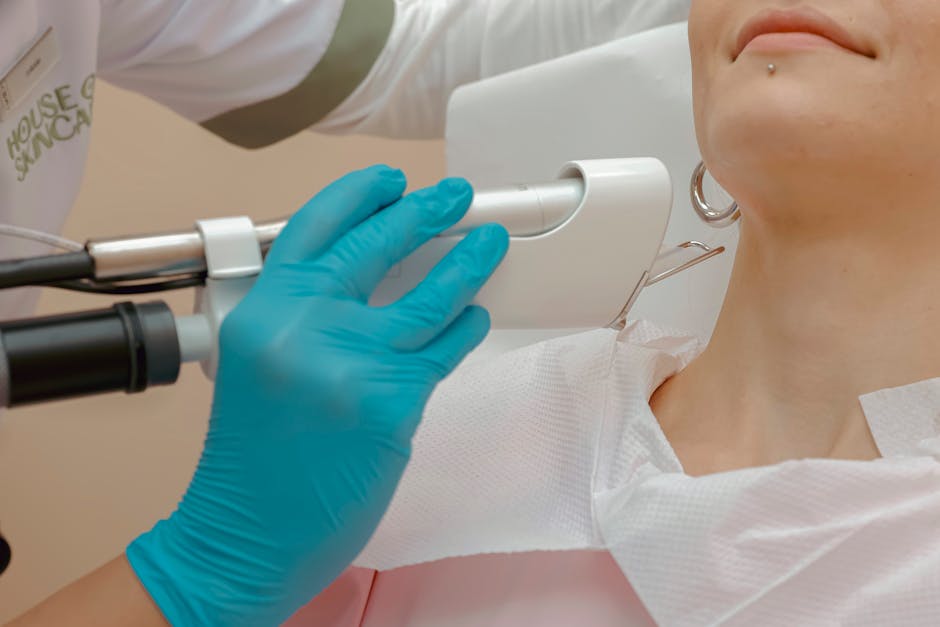
- Acne scarring: A 2022 meta-analysis in the Journal of Cosmetic Dermatology found that professional microneedling (1.5mm–2.5mm depth) produced a statistically significant reduction in atrophic acne scars after 3–6 sessions, with improvement rates between 31% and 62% depending on scar subtype (rolling vs. ice-pick).
- Wrinkles and skin laxity: Multiple RCTs show a measurable increase in dermal collagen density after 4 sessions spaced 4 weeks apart. Improvement is typically visible at the 3-month mark, not week two — this is where impatience causes the most trouble.
- RF microneedling advantage: Adding radiofrequency energy (devices like Morpheus8 or Genius RF) increases dermal heating to 60–70°C at the needle tip, which triggers a stronger collagen remodeling response. Studies show up to 35% greater skin tightening compared to standard microneedling alone.
- At-home rollers (0.2mm–0.5mm): Effective mainly for enhancing product absorption (serums penetrate 40x deeper, per a 2019 study in Pharmaceutics), not for structural remodeling. Don’t expect the same results as a clinical session.
- Downtime reality: Professional sessions at 1.5mm+ cause redness and mild swelling for 24–72 hours. Full healing of the micro-channels: 8–24 hours. New collagen synthesis peaks: 4–6 weeks post-treatment.
Where People Go Wrong (Including My Friend)
The mistakes aren’t obscure — they’re predictable and consistent across forums, Reddit threads, and dermatology office intake forms. Here’s the pattern:
- Too frequent, too deep: Rolling at 1.0mm+ more than once every 3–4 weeks doesn’t give the wound-healing cycle time to complete. You end up layering inflammation on top of inflammation. The golden rule for at-home: if you’re using 0.5mm or below, once a week max. Above that depth? Leave it to professionals, seriously.
- Wrong serums post-treatment: Vitamin C (L-ascorbic acid at low pH) immediately after needling = stinging, irritation, and potential barrier disruption. Use hyaluronic acid or a peptide serum in the 24 hours post-session. Actives like retinol and acids? Wait at least 72 hours.
- Needling over active acne or rosacea flares: This spreads P. acnes bacteria mechanically across the skin. It’s one of the clearest contraindications and it’s frequently ignored in at-home settings.
- Skipping SPF after treatment: Treated skin is temporarily more photosensitive. Skipping sunscreen post-procedure is the fastest route to PIH, especially in Fitzpatrick skin types III–VI.
- Dirty devices: Reusing a dermaroller without proper sterilization (70% isopropyl alcohol soak for 10+ minutes, air dry) is a direct path to bacterial or fungal infection. Replace roller heads every 2–3 months minimum.
Professional vs. At-Home: The Honest Comparison in 2025
This question comes up constantly, so let me lay it out clearly rather than hedging.
If your situation is: targeting acne scars, surgical scars, significant laxity, or stretch marks — professional treatment (clinical microneedling or RF-MN) is the only realistic path. At-home devices at safe depths simply can’t reach the dermal layers where structural change happens.
If your situation is: general skin texture, mild congestion, maximizing serum absorption, or maintenance between professional sessions — a quality at-home device at 0.25mm–0.5mm is a legitimate and cost-effective tool.
On the professional side, leading devices in 2025 include the Morpheus8 (InMode), Genius RF (Lutronic), and the stalwart SkinPen (the only FDA-cleared microneedling device, which matters for liability in clinical settings). For at-home, the Dr. Pen A6S and GloPRO by BeautyBio sit at the credible end of the market. Avoid generic rollers under $15 — inconsistent needle spacing and poor metallurgy mean bent or uneven tips after a few uses.
Skin Types, Tones, and the Pigmentation Question
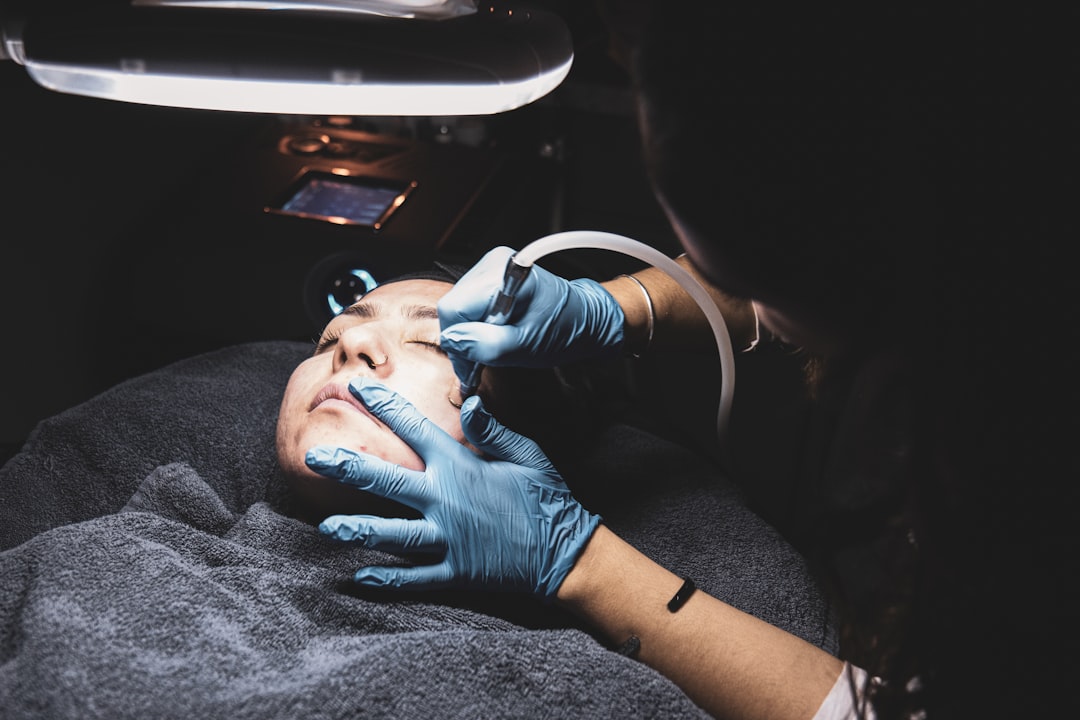
This needs more airtime than it gets in mainstream microneedling content. For deeper skin tones (Fitzpatrick IV–VI), the risk of post-inflammatory hyperpigmentation (PIH) from microneedling is real but manageable — not prohibitive. The key variables are: needle depth (shallower is safer for beginners), inflammation level (anti-inflammatory post-care matters more), and sun protection discipline.
Dermatologists treating patients with darker skin tones often recommend starting at 0.5mm–1.0mm for professional sessions and spacing treatments 6 weeks apart rather than 4, to reduce cumulative inflammation. Tranexamic acid serums post-treatment have shown promise in reducing PIH risk in several 2023–2024 pilot studies.
Building a Realistic Protocol
Here’s a framework that reflects what actually works, rather than what sells devices:
- Weeks 1–2: Skin prep. Introduce a retinoid (if not already using) and consistent SPF 30+ daily. This primes the fibroblasts and gives you a baseline skin barrier to work from.
- Session 1 (Professional, 1.0mm–1.5mm): Start conservative. Assess healing response over 4 weeks. Some people react strongly; some barely pink up. This session tells you where you sit.
- Sessions 2–4 (4-week intervals): Depth can be adjusted based on response and target concern. Most providers move to 1.5mm–2.0mm for scar remodeling by session 2–3.
- At-home maintenance (between sessions): 0.25mm roller once weekly, followed by hyaluronic acid or peptide serum. This isn’t where results are built — it’s where they’re maintained.
- Post-session non-negotiables: Hyaluronic acid serum, gentle moisturizer, no makeup for 24 hours, SPF 50 outdoors for one week post-treatment.
Cost Expectations in 2025
Professional microneedling sessions in the US typically run $200–$700 per session depending on geography, provider type, and whether RF is included. RF microneedling (Morpheus8, Genius) sits in the $800–$2,000 range per session in major metro areas. Most protocols call for 3–6 sessions, so budget accordingly. Medical spas are generally 30–40% cheaper than dermatology offices for the same devices, though the supervising provider credential matters — always check that an MD or NP is overseeing treatments.
For context, a well-reviewed at-home pen (Dr. Pen A6S) runs about $80–$120, with replacement cartridges at $15–$30 for a pack of ten. Over a year of regular use, you’re looking at roughly $200 total — significantly less, with significantly different results for anything beyond surface-level texture work.
My Friend’s Skin Now
She stopped the at-home rolling, gave her skin four weeks to settle, and booked two professional sessions spaced six weeks apart. The PIH she developed faded over three months with consistent SPF and a niacinamide serum. Her acne scars? Genuinely improved — not erased, but noticeably softer. She’s now doing quarterly professional sessions and using a 0.25mm roller monthly at home. The difference between her first frustrated call and where she is now is essentially: slower, supervised, and smarter about post-care.
Editor’s note: Microneedling isn’t a shortcut — but it’s one of the more evidence-backed tools in non-surgical skin improvement when used correctly. If you’re on the fence, start with a single professional session at a conservative depth before investing in any at-home setup. Your skin’s healing response is the most useful data point you have, and no YouTube tutorial can replicate that feedback loop. Take it slow, protect the work with SPF, and let the collagen timeline do its thing.
📚 관련된 다른 글도 읽어 보세요
- 2026년 기준 한번에 성공하는 실제 세팅법 — 이것 모르고 시작하면 돈 날립니다
- Why I Almost Missed My Flight Trusting Google Maps — Real 2025 Airport Transfer Guide
- Why I Almost Gave Up on Plantar Fasciitis — And What Actually Fixed It in 2025
태그: microneedling, collagen induction therapy, RF microneedling, skin care 2025, dermaroller, acne scar treatment, at-home microneedling
Leave a Reply