A friend of mine — seasoned traveler, been to 40+ countries — nearly missed a connecting flight at Incheon last spring. Not because of traffic or delays, but because she blindly trusted a directions app that routed her through a terminal transfer that no longer existed after a layout change. She made it, barely, with seven minutes to spare. That story stuck with me, and it got me thinking: how many of us are flying in 2025 still using transfer intel from 2022?
Let’s dig into what actually works for airport transfers right now, with real data, real gotchas, and the kind of advice you’d only get from someone who’s done this the hard way.
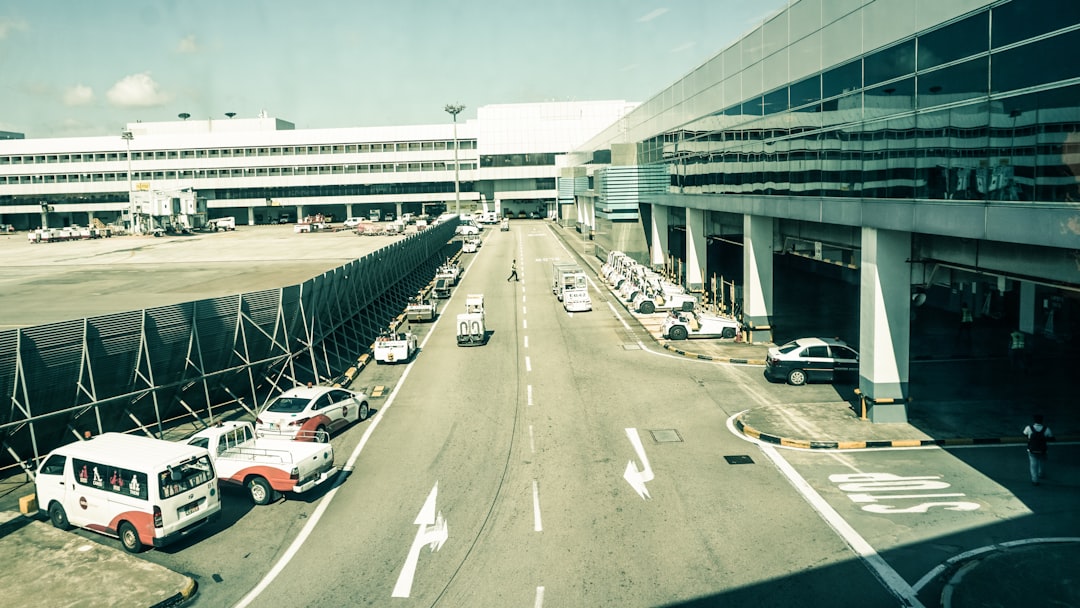
The Hidden Cost of ‘Convenient’ Transfer Options
Most travelers default to one of three options: ride-hail apps (Uber, Grab, Lyft), hotel shuttles, or the airport’s own rail/bus system. And on paper, all three look fine. But here’s where the data gets interesting.
According to a 2025 ACI World passenger survey, 34% of missed connections in major hub airports were attributed not to flight delays but to transfer logistics — specifically, underestimating time between arrivals and departure gates in different terminals. That’s a staggering number for something that feels entirely within our control.
Ride-hail pickup zones have also shifted dramatically post-pandemic. At LAX, the official Uber/Lyft pickup moved to the LAX-it lot — a 10-15 minute walk or shuttle ride from baggage claim. If you’re on a tight connection or have heavy luggage, that’s not a minor inconvenience. It’s a real risk factor.
- LAX-it lot transfer time: Add 20-30 min buffer beyond app ETA
- Heathrow Terminal hopping (T2 to T5): Minimum 45 min recommended by BAA, but real-world average is 55-65 min in peak hours
- Changi Airport (Singapore): Still the gold standard — inter-terminal Skytrain runs every 3-4 min, 24/7, free of charge
- Dubai DXB T1 to T3: Free airside transfer train, but T2 requires exiting and re-entering security — a fact buried in fine print
- JFK AirTrain: $9.25 flat fee in 2025, but only connects to Jamaica or Howard Beach subway — not door-to-door
What the Locals Actually Do (And Why It’s Not on TripAdvisor)
When I asked a gate agent at Frankfurt Airport what she tells her own family when they visit, she didn’t mention any app. She said: “Check the airport’s own official transfer map, updated quarterly, not the third-party aggregator.” That’s the key insight most bloggers skip.
Airport official websites — FRA, HND, SIN, AMS — all publish real-time terminal maps and estimated walking/transit times that are updated seasonally. Google Maps, by contrast, often pulls from static data that can lag by 6-18 months. For construction-heavy airports like O’Hare (currently mid-renovation through 2026) or Narita (T1/T2 connector upgrade ongoing), this gap is genuinely dangerous for planning.
For international hubs, here’s a quick reference based on 2025 conditions:
- Tokyo Narita (NRT): T1 and T2 connected landside only — budget 40 min minimum; T3 (LCC terminal) requires a bus, 15-20 min ride, runs every 10 min
- Amsterdam Schiphol: Rare single-terminal layout — most transfers are smooth 15-25 min walks, but passport control queues post-2024 Schengen rule changes now regularly hit 30-40 min
- Bangkok Suvarnabhumi (BKK): A massive footprint deceives you — gate-to-gate in different concourses can exceed 25 min walking alone
- Istanbul IST: New mega-airport, but the sheer scale means inter-concourse distances of up to 900 meters; buggy service available but inconsistent
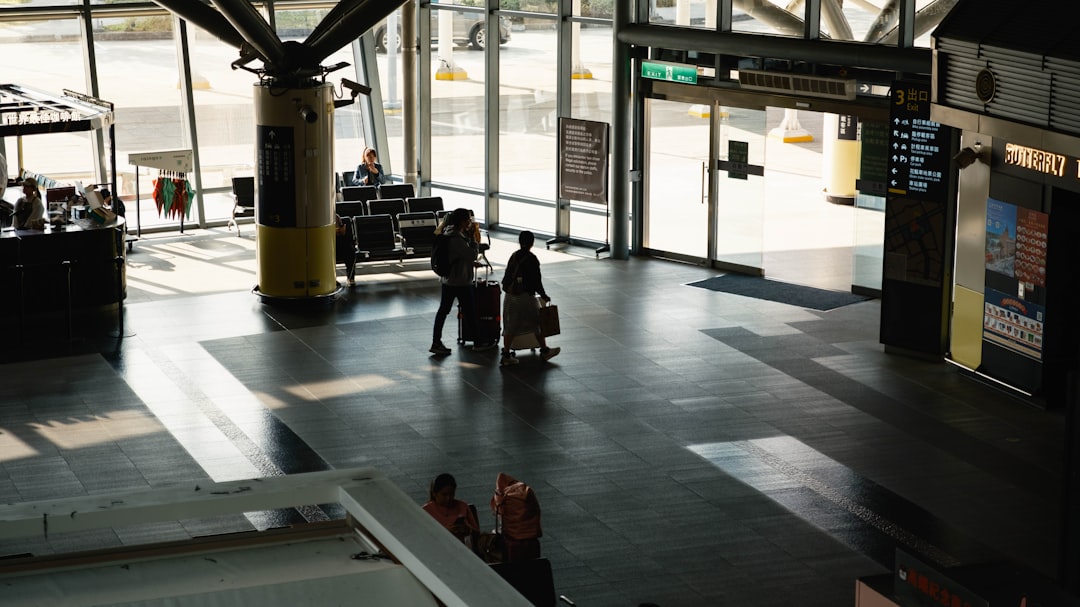
Pre-Booking vs. On-Demand: Which Actually Saves You Money in 2025
Here’s a nuance most ‘travel hack’ listicles gloss over: pre-booked transfers are not always cheaper, but they are almost always more predictable — and predictability has real monetary value when you factor in missed-flight rebooking costs.
In 2025, a typical economy rebooking fee on a legacy carrier runs $150-$300 USD. A pre-booked private transfer from CDG to central Paris might cost €65-€85 versus €45-€55 for the RER B train. The math on ‘saving €20’ looks very different when you imagine that train being delayed during a strike week (France averages 12-15 transport strike days per year) and you’ve got a meeting the next morning.
Services worth knowing about in 2025:
- Blacklane: Premium fixed-rate transfers, now operating in 50+ countries, app-based with meet-and-greet; pricing is 20-30% above standard taxi but includes real-time flight monitoring
- KiwiTaxi / Welcome Pickups: Mid-range options popular in Europe and Southeast Asia, fixed pricing, good English-language support
- Airport Express Trains: Where available (HKG, CDG, ARN, CPH), these are still the fastest and most reliable options — just validate ticket validity windows
- Hotel shuttles: Free but inflexible — usually run on fixed schedules (every 30-60 min), can strand you if your flight lands early or late
The Realistic Checklist Before Your Next Transfer
Rather than a blanket ‘always do X’, here’s how to think about it conditionally:
- If your layover is under 90 minutes: Do not rely on public transit in any large-footprint airport. Pre-book or use airside connections only.
- If you’re traveling with checked luggage through a connection: Confirm whether bags are checked through to final destination — this completely changes your terminal logic.
- If the airport is undergoing construction (check official site): Add 30% buffer time to any estimated transfer time, no exceptions.
- If it’s peak season (June-August, Dec 20 – Jan 5): Security queue times at major hubs can double or triple — factor this in especially at EU airports with Schengen/non-Schengen splits.
- If you’re arriving internationally and connecting domestically in the US: You MUST clear customs and re-check bags — minimum 2-hour buffer is not excessive, it’s baseline.
What I’d Do Differently Today
Honestly, the single highest-leverage habit I’ve built is spending 10 minutes on the destination airport’s official website — not an app, not a travel blog — the morning of travel. Bookmark the specific terminal map PDF. Check if there are any announced closures or gate changes. It takes one coffee’s worth of time and has saved me real stress on multiple occasions.
The second habit: screenshot your boarding passes and the terminal layout offline. Airport WiFi is notoriously unreliable right when you need it most, and signal drops in some of the larger international terminals are genuinely frequent.
We’re in an era where travel infrastructure is changing faster than most informational content about it. The 2025 airport experience at a place like ORD or CDG is genuinely different from three years ago — different pickup zones, different security flows, different transit options. Treat your transfer planning like you’d treat checking your tire pressure before a long drive. It’s not glamorous, but it’s the thing that keeps the whole trip on track.
💬 Have you had a close call with an airport transfer that didn’t go as planned? Drop your story below — the more specific the airport and situation, the more useful it is for everyone reading this.
📚 관련된 다른 글도 읽어 보세요
- How to Write Whisky Tasting Notes Like a Pro: The Insider’s Sensory Playbook for 2026
- 지인이 ‘이거 마셔봤어?’ 해서 시작한 유럽 크래프트 진 브랜드 리뷰 7선 – 2026 진 르네상스 완전 정복
- 스카치는 이제 옛말? 아이리시 위스키가 2026년 전 세계를 점령하는 진짜 이유 5가지
태그: []
Leave a Reply