A friend of mine — a self-proclaimed “casual whisky drinker” — called me last month absolutely bewildered. He’d walked into a specialty spirits bar in downtown Nashville, pointed at a bottle of Buffalo Trace, and the bartender asked, “Are you more of a bourbon person or a single malt person?” He froze. He had no idea there was even a difference beyond the label. Sound familiar? You’re not alone, and honestly, this is one of the most deliciously complex rabbit holes you can fall into in the world of spirits.
So let’s crack this open together — no pretension, no snobbishness — just a genuine deep-dive into what separates American Bourbon from Single Malt Scotch Whisky. By the end, you’ll be the one confidently steering that conversation at the bar.
🌽 The Legal DNA: What Makes Bourbon, Bourbon?
Here’s where most people’s eyes glaze over, but stick with me — the legal definitions are actually fascinating because they directly shape the flavor you taste in the glass.
To legally be called Bourbon in the United States, a whiskey must meet these federally mandated requirements (under the U.S. Code of Federal Regulations, 27 CFR § 5.22):
- Grain Mashbill: Must be made from a grain mixture that is at least 51% corn. In practice, most bourbons run 60–80% corn, with the rest being rye, wheat, or malted barley.
- Distillation Proof: Cannot be distilled to more than 160 proof (80% ABV).
- Entry Proof: Must enter the barrel at no more than 125 proof (62.5% ABV).
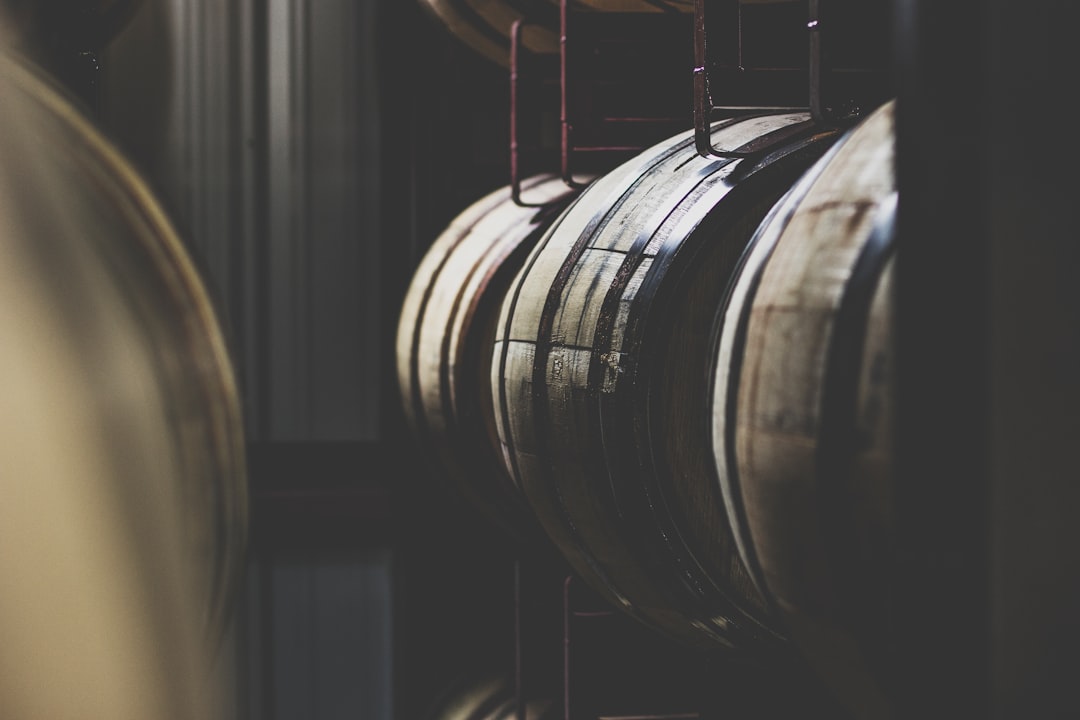
- New Charred Oak: Must be aged in new, charred American oak containers. This is a massive flavor driver.
- Bottling Proof: Must be bottled at no less than 80 proof (40% ABV).
- No Additives: No added coloring, flavoring, or other spirits (with exceptions for “blended bourbon”).
- Geography: Must be produced in the United States. Contrary to popular belief, it doesn’t legally have to come from Kentucky — though about 95% of the world’s bourbon supply does.
There’s no minimum aging requirement for straight bourbon (it just has to be under 2 years if you put an age statement on it), but Straight Bourbon must be aged for at least 2 years. Kentucky Straight Bourbon? At least 2 years in the Bluegrass State specifically.
🏴 The Scottish Blueprint: Single Malt’s Strict Heritage
Single Malt Scotch Whisky operates under an entirely different regulatory framework governed by the Scotch Whisky Regulations 2009 (SWR 2009), updated and monitored by the Scotch Whisky Association (SWA). Here’s what defines it:
- Grain: Must be made from only 100% malted barley — that’s where the “malt” comes from. No corn, no wheat blends.
- Single Distillery: The “single” in Single Malt means it comes from one specific distillery — not a single barrel, as many beginners assume.
- Pot Still Distillation: Must be distilled in pot stills at that single distillery.
- Aging: Must mature for a minimum of 3 years in oak casks in Scotland.
- ABV: Bottled at a minimum of 40% ABV.
- Geography: Entire production process — from malting to bottling — must occur in Scotland.
- No Added Substances: Only water and caramel coloring (E150a) are permitted additives — caramel is allowed for color consistency, which often surprises people.
Scotland’s five whisky regions — Speyside, Highlands, Islay, Lowlands, and Campbeltown — each impart dramatically different character. An Islay whisky like Laphroaig and a Speyside like Glenfiddich are almost incomparably different, yet both are Single Malt Scotch.
🔥 The Flavor Showdown: Corn vs. Barley, New Oak vs. Used Cask
This is where the rubber meets the road. The two spirit categories taste fundamentally different, and it comes down to three major variables:
1. The Grain Base
Corn is naturally sweet. A high-corn bourbon (like Maker’s Mark at ~70% corn) delivers caramel, vanilla, and butterscotch upfront. Malted barley, by contrast, brings nuttiness, cereal, dried fruit, and earthy complexity — especially after a long fermentation process that can run 48–120+ hours in Scottish distilleries.
2. The Cask Chemistry
Bourbon’s insistence on new charred oak is a double-edged sword — it’s incredibly flavorful (the char acts like a filter AND a flavor depot, releasing vanilla, toffee, and coconut compounds from the wood’s lignin breakdown), but it also means bourbon ages faster and sometimes more aggressively. Most top bourbons are 4–12 years old. A 20-year bourbon can actually be over-oaked to the point of bitterness in harsh Kentucky heat cycling.
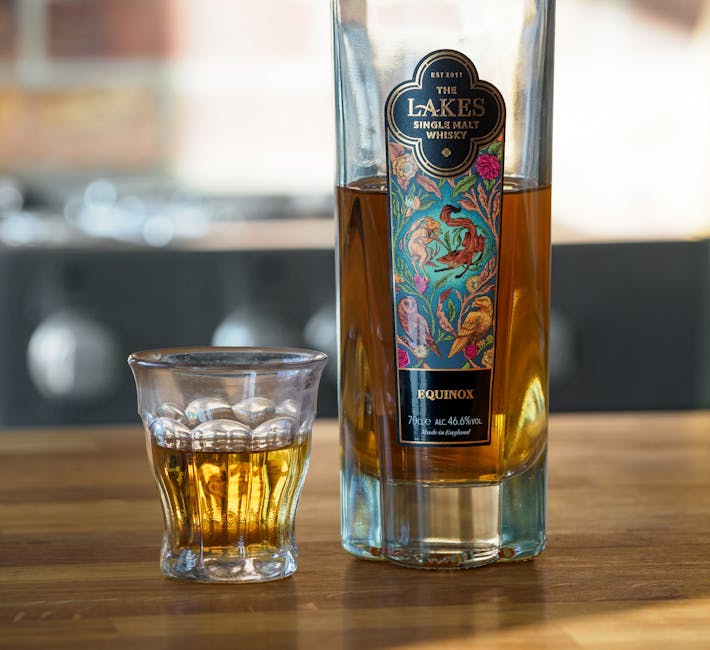
Single malt Scotch, by contrast, typically uses ex-bourbon or ex-sherry casks (bourbon distilleries essentially supply used barrels to Scotland at scale — it’s a beautiful symbiotic relationship). These casks impart flavor more subtly, which is partly why quality Scotch can age gracefully for 18, 21, even 30+ years without being destroyed by tannins.
3. The Climate Effect
Kentucky’s dramatic temperature swings (from scorching summers to freezing winters) cause bourbon to expand into and contract out of the barrel wood rapidly — accelerating extraction. Scotland’s mild, damp climate slows this process considerably, allowing for a longer, more gradual maturation. This is why the “angel’s share” (evaporation) in Kentucky runs about 3–4% per year, versus Scotland’s 1–2% per year.
📊 Real Brands, Real Data: Who’s Who in 2026
Let’s ground this in names you’ll actually encounter on shelves or cocktail menus:
Top Bourbon Benchmarks (2026):
- Buffalo Trace (Buffalo Trace Distillery, Franklin County, KY) — Considered the gold standard for value-to-quality ratio. 90 proof, ~$35. Mash: ~8% rye, classic caramel-vanilla profile.
- Blanton’s Original — The original “single barrel” bourbon, 93 proof. Still commanding secondary market premiums of 2–3x MSRP in many markets in 2026.
- Knob Creek 9 Year — Jim Beam’s premium line, 100 proof, strong oak and dried fruit. Excellent for understanding what age does to bourbon.
- Four Roses Small Batch Select — Unique in using multiple yeast strains (5 proprietary strains across 2 mashbills = 10 distinct recipes). A masterclass in bourbon complexity.
- Pappy Van Winkle 15 Year — The “white whale.” Wheated bourbon (wheat replaces rye in the mashbill). Lottery-entry level rarity in 2026.
Top Single Malt Scotch Benchmarks (2026):
- Glenfiddich 12 Year (Speyside) — The world’s best-selling single malt. Approachable pear, fresh oak. Great entry point.
- Macallan 12 Year Sherry Oak (Speyside) — Rich Christmas cake, dried fruit, spice. Sherry cask influence at its most accessible.
- Laphroaig 10 Year (Islay) — The infamous “love it or hate it” peated monster. Iodine, seaweed, campfire. Nothing else tastes like this.
- Oban 14 Year (West Highlands) — A beautiful bridge between Highland fruit and coastal brine. Underrated globally.
- GlenDronach 18 Year (Highlands) — Pedro Ximénez and Oloroso sherry casks. Dark chocolate, walnut, raisin. Exceptional complexity.
According to the Distilled Spirits Council of the United States (DISCUS), American whiskey exports hit $1.4 billion in 2025, while the Scotch Whisky Association reported exports of £5.4 billion (approximately $6.8 billion) in the same period — a reminder that while bourbon has massive domestic dominance, Scotch still rules globally by volume and value.
🥃 The Cocktail Factor: Which Works Better for Mixing?
Here’s an honest, practical take: bourbon wins the cocktail battle. Its sweetness, robustness, and relatively accessible price point make it ideal for:
- Old Fashioned — The archetypal bourbon cocktail. The sweetness of corn-forward bourbon harmonizes perfectly with sugar and bitters.
- Whiskey Sour — Citrus and bourbon are natural partners. High-rye bourbons (like Bulleit) add spice complexity.
- Manhattan — Technically often made with rye, but bourbon versions are silkier and more approachable for newcomers.
- Mint Julep — The quintessential Kentucky Derby drink. Requires a sweet, relatively light bourbon.
Single malts are generally better enjoyed neat or with a small splash of still water (which can open up the aroma dramatically). Using a 25-year Glenfarclas in a cocktail is technically your right, but most whisky enthusiasts would quietly weep.
💰 Price and Accessibility in 2026: Where Does Each Category Stand?
The bourbon market has gone through significant turbulence since the mid-2010s “bourbon boom.” In 2026, while some allocated bourbons remain scarce (looking at you, Weller and E.H. Taylor), the mainstream segment has stabilized. You can get genuinely excellent bourbon for $30–$60.
Single malt pricing is more polarized. Entry-level expressions (Glenfiddich 12, Glenlivet 12) sit at $45–$65, but mid-range quality ($80–$150) is where Scotch really sings. Age-statement whiskies 18+ years old easily run $100–$300+, and collectible/limited releases can push into the thousands. The Macallan Red Collection 78-year-old sold at auction in late 2025 for over $75,000 — just for context on the ceiling.
🤔 So Which Should You Choose? (A Realistic Framework)
Instead of declaring a winner — because this is genuinely a matter of what you’re looking for — here’s a practical decision framework:
- You want sweetness, vanilla, and caramel-forward richness? → Start with a wheated bourbon like Maker’s Mark or Larceny.
- You want spice, pepper, and bold structure? → Explore high-rye bourbons like Bulleit or Four Roses Yellow Label.
- You want dried fruit, honey, and elegant complexity? → A Speyside single malt like Balvenie DoubleWood 12 is your answer.
- You want something smoky, earthy, and dramatically different from anything else? → Islay single malts (Ardbeg, Laphroaig, Bruichladdich) are calling your name.
- You want the best cocktail base? → Bourbon, every time.
- You want a meditative, slow-sipping experience? → Aged single malt, neat, is hard to beat.
The beautiful reality is you don’t have to choose. Many seasoned whisky drinkers maintain both categories in their home bar — bourbon for weeknight mixing, single malts for reflective weekend sipping. That’s not indecision; that’s wisdom.
Editor’s Comment : After spending well over a decade bouncing between distilleries in Kentucky and Scotland (and countless hours benchmarking bottles that were absolutely “for research purposes”), my honest take in 2026 is this: bourbon is the more democratically joyful spirit — generous, sweet, loud, and American in the best sense. Single malt Scotch is the more philosophically rich experience — regional, historical, patient, and endlessly layered. Neither is superior. The real upgrade is learning to appreciate both on their own terms. Start with a bottle of Buffalo Trace and a bottle of Glenfiddich 12. Put them side by side. Pour a small dram of each. You’ll understand more about both in twenty minutes than any article can tell you. Sláinte and Cheers. 🥃
📚 관련된 다른 글도 읽어 보세요
- 아쿠아비트란 무엇인가? 북유럽 전통주의 역사·맛·특징 완벽 정리 (2026)
- 멕시코 테킬라 문화와 음식 페어링 완벽 가이드 2026 | 진짜 테킬라를 즐기는 법
- Aquavit Uncovered: What Makes This Nordic Spirit So Uniquely Fascinating in 2026
태그: bourbon whiskey vs single malt, American bourbon guide 2026, single malt scotch explained, bourbon vs scotch differences, best bourbon brands 2026, whisky tasting guide, Kentucky bourbon vs Scottish whisky
Leave a Reply