A friend of mine — a seasoned bartender who’s bounced between Amsterdam, Barcelona, and Edinburgh for the better part of a decade — called me last month with what felt like a confession: “I’ve stopped stocking the big labels. Every bottle on my back bar now comes from a distillery I could visit in a single afternoon.” That sentence stuck with me. I’d been hearing rumblings about Europe’s so-called Gin Renaissance for a while, but it wasn’t until I spent three weeks in early 2026 weaving through craft distilleries from the Scottish Highlands down to the Andalusian coast that I truly understood what he meant. The craft gin movement isn’t a trend anymore — it’s a full-blown cultural shift, and the brands driving it are producing liquid that genuinely challenges everything we thought we knew about the category.
So let’s dig in together. Whether you’re a spirits geek chasing botanical complexity or a casual drinker curious about why that small-batch bottle costs €45 instead of €15, I’ll walk you through the landscape as it stands in 2026 — with real bottles, real data, and a few opinions I’m willing to defend.
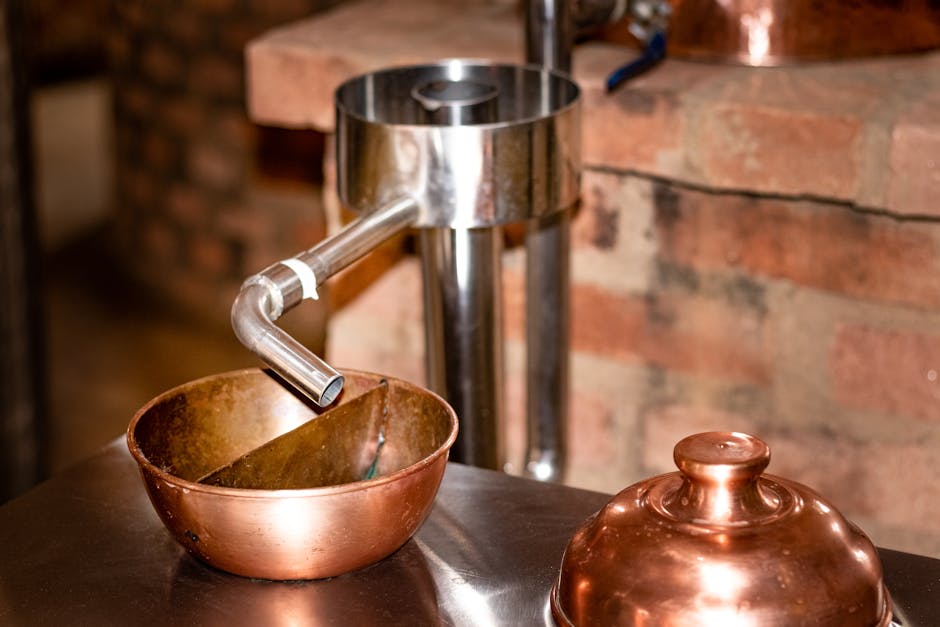
Why the Gin Renaissance Is Still Accelerating in 2026
Let’s ground this in numbers first. According to the IWSR Drinks Market Analysis 2026 Report, craft and premium gin now accounts for approximately 34% of total gin volume sold across Western Europe, up from roughly 21% in 2020. That’s a staggering climb. More tellingly, the number of active craft gin distilleries registered across the EU and UK has crossed 2,400 as of Q1 2026, compared to fewer than 800 just six years ago.
What’s fueling this? A few converging forces:
- Lower barrier to distillery licensing — Several European countries, including Spain, the Netherlands, and Belgium, have streamlined craft spirits licensing since 2022, making it genuinely viable for small operators to get legal and operational within 12–18 months.
- Terroir-driven storytelling — Consumers in 2026 are deeply invested in provenance. A gin made with Scottish sea kelp or Catalan wild thyme isn’t just a botanical choice — it’s a narrative, and people are paying for that narrative.
- The cocktail culture spillover — The explosion of gin-specific cocktail bars (especially the Spanish gintonería culture) has educated an entire generation of drinkers to appreciate complexity over volume.
- Social media and direct-to-consumer channels — Small distilleries can now build loyal international followings without a traditional distribution deal.
Scotland: Where Tradition Meets Radical Experimentation
Scotland is still the spiritual home of serious gin, and in 2026 the scene there has never been more vibrant. Bruichladdich’s The Botanist remains a benchmark — 22 hand-foraged Islay botanicals, distilled in their famously unconventional Ugly Betty still — but what’s more exciting are the newer names pushing the envelope.
Eden Mill (St Andrews) has leaned hard into their coastal identity with their Golf Gin series (yes, it’s a real thing and yes, it’s actually excellent), while their limited-edition Spirit of the Links expression released in early 2026 uses cold-pressed kelp and foraged sea purslane to deliver a genuinely briny, complex dram that holds up beautifully in a Negroni riff. Expect to pay around £42–£48 per 700ml bottle.
Crossbill Highland Gin, made in the Cairngorms, continues to champion its ultra-minimalist two-botanical approach — just juniper and rosehip — which is practically heretical in an era of 20-ingredient blends. But sip it neat over ice and you’ll understand immediately why restraint can be just as powerful as complexity.
The Netherlands: Amsterdam’s Jenever Legacy Gets a Modern Reboot
The Dutch invented distilled grain spirits — let’s not forget that. And while jenever (the ancestral cousin of gin) never really went away, a new wave of Amsterdam-based craft producers is building bridges between old-world jenever tradition and contemporary London Dry-style gin.
Bols Genever is the legacy benchmark, and their Barrel Aged expression is a genuine revelation for anyone who thinks gin can’t be sipped slowly like a whisky. But the brand that’s really turning heads in 2026 is Rutte Distillery (Dordrecht, founded 1872). Their Celery Gin — yes, celery as a primary botanical — is polarizing in the best possible way: sharp, vegetal, herbal, and absolutely perfect in a Dirty Martini.
Also worth tracking: Zuidam Distillery in Baarle-Nassau, which produces everything in-house from malting to bottling. Their Dutch Courage Aged Gin spends time in French oak barrels and develops a warm vanilla-juniper complexity that genuinely earns its €55 price tag.
Spain: The Gintonería Culture Breeds Serious Craft Ambition
If you’ve ever sat in a Spanish bar and watched a bartender spend four minutes constructing a single gin and tonic — selecting the glass, the ice shape, the garnish — you understand that Spain treats gin as a culinary ingredient, not just a spirit. That culture has naturally produced some spectacular craft expressions.
Nordes Atlantic Galician Gin from Galicia is perhaps Spain’s most internationally recognized craft success story. Made with Albariño grape spirit as a base (instead of the traditional grain neutral spirit), it carries a soft, almost floral sweetness that makes it dangerously easy to drink. Botanicals include Galician tea, eucalyptus, and verbena — genuinely distinctive from anything produced further north.
Gin Mare from Catalonia continues to be the Mediterranean benchmark, with its triumvirate of arbequina olive, rosemary, and thyme giving it that unmistakable savory profile. But the more exciting 2026 development is their Capri Limited Edition, which incorporates Italian lemon peel and violet alongside their classic botanicals — a gorgeous and limited run worth chasing.
For something truly under the radar: GinRaw Gastronomic Gin, developed in Barcelona in collaboration with chefs, uses a cold-distillation vacuum process at low temperatures to preserve aromatic compounds that would normally evaporate. The result is a gin that smells and tastes remarkably fresh — almost like drinking a botanical garden.
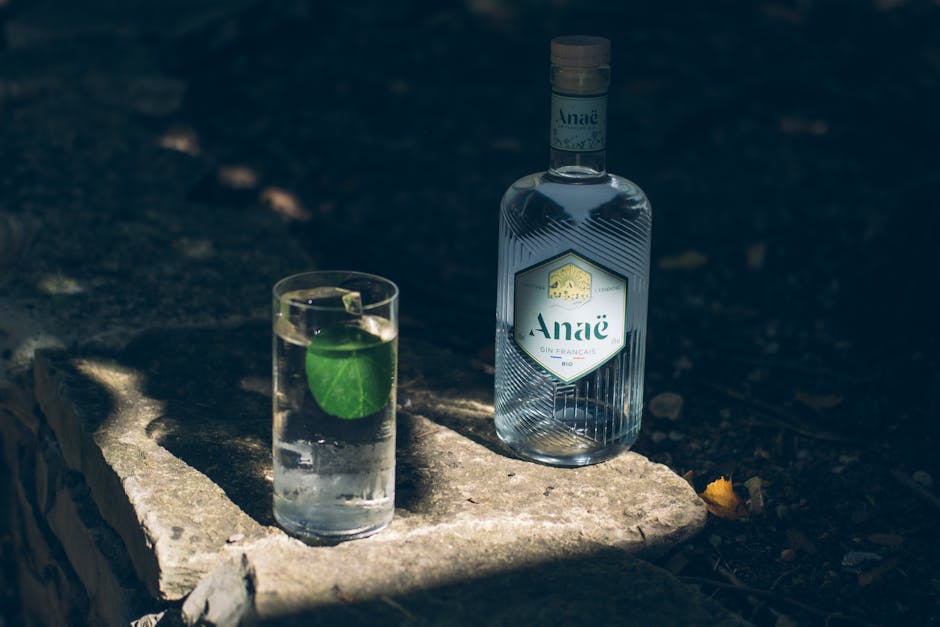
Germany & Austria: The Unlikely Gin Powerhouses of 2026
Here’s something that might surprise you: Germany is now home to over 300 registered craft gin producers as of 2026, making it one of the fastest-growing markets in the EU. The Germans bring their engineering precision and schnapps-making heritage to gin production, and the results are technically impressive.
Monkey 47 from the Black Forest remains the flagship German premium gin, and honestly, its reputation is fully deserved. Forty-seven botanicals including lingonberries and spruce shoots, distilled in a copper pot still — it’s complex without being chaotic, and it’s the gin I recommend most often to people who say they “don’t like gin.”
But the more adventurous find is Siegfried Rheinland Dry Gin from Bonn, which incorporates 18 locally sourced botanicals including elderflower, lemon verbena, and caraway. It’s assertively German in character — structured, herbal, slightly austere — and pairs magnificently with a premium Indian tonic and a strip of lemon peel.
From Austria, Reisetbauer Blue Gin deserves more international attention than it gets. Made from fermented Williams pears (!) as a base spirit, it carries an almost imperceptible stone-fruit softness beneath its juniper backbone that makes it genuinely unique in the category.
Quick Comparison: 2026 European Craft Gin Picks at a Glance
- The Botanist (Scotland, ~£35) — 22 hand-foraged Islay botanicals; benchmark floral complexity; best served in a large Copa glass with elderflower tonic
- Crossbill Highland Gin (Scotland, ~£32) — Minimalist 2-botanical approach; bold juniper-forward; excellent for purists and Martini lovers
- Rutte Celery Gin (Netherlands, ~€38) — Wildly distinctive; celery-forward; essential for Dirty Martini enthusiasts
- Zuidam Dutch Courage Aged (Netherlands, ~€55) — Oak-aged; whisky-adjacent complexity; sip neat or use in Negronis
- Nordes Atlantic Galician Gin (Spain, ~€30) — Albariño grape base; soft and floral; incredibly food-friendly
- Gin Mare Capri Edition (Spain, ~€45 limited) — Savory Mediterranean profile with bright citrus notes; collector’s item in 2026
- Monkey 47 (Germany, ~€35) — 47 botanicals; complex and balanced; the crowd-pleaser that converts skeptics
- Reisetbauer Blue Gin (Austria, ~€40) — Pear-base spirit; subtly fruity; extraordinarily smooth finish
How to Actually Choose: A Framework for Craft Gin Selection
One thing I’ve learned tasting through hundreds of these bottles: price doesn’t always correlate with quality in craft gin. A €28 single-distillery bottle made by two people in a converted barn can absolutely outperform a €60 glossy branded expression. Here’s what I actually look at when evaluating:
- Base spirit transparency — Does the producer tell you what their neutral spirit is made from? Grain, grape, potato, or something exotic? Transparency here usually signals integrity.
- Botanical sourcing — Are they specifying wild-foraged, locally grown, or imported botanicals? Provenance matters both for flavor and for supporting the terroir narrative authentically.
- Distillation method — Single-shot (botanicals distilled directly) vs. compound (flavor added post-distillation) makes a huge difference in depth and integration. Look for single-shot producers.
- ABV choice — Many serious craft gins are bottled at 45–47% rather than the legal minimum of 37.5%. Higher ABV generally preserves more aromatic complexity.
- Tasting community feedback — Resources like Master of Malt, The Gin Guild (theginblog.co.uk), and Difford’s Guide provide thorough, independent tasting notes that I trust far more than brand marketing copy.
Is Craft Gin Worth the Premium? An Honest Take
The honest answer: it depends entirely on how you’re consuming it. If you’re mixing gin into a Negroni with strong vermouth and Campari, the nuanced botanicals in a €50 craft bottle will largely get lost — and a solid mid-range option like Beefeater or Tanqueray will serve you perfectly well. But if you’re drinking gin tonics where the spirit is the star, or building Martinis where nothing gets hidden, then yes — the quality jump from commercial to craft is absolutely perceptible and, for many drinkers, genuinely transformative.
The sweet spot I keep returning to: the €30–€45 range from a well-regarded small distillery that can tell you exactly where their botanicals come from and exactly how their still operates. That’s where the craft gin renaissance is producing its most exciting work in 2026.
Editor’s Comment : If I had to send someone on a craft gin journey right now, I’d start them with Crossbill (for understanding botanical restraint), then move them to Nordes (for understanding base spirit diversity), and finish with Monkey 47 (for sheer complexity). That triangulation covers the philosophical spectrum of the European craft gin world better than any tasting notes list I could write. The Gin Renaissance isn’t slowing down — it’s maturing, getting more confident, and honestly, getting better every single year. Go explore it while the smaller producers are still small enough to care about every bottle.
📚 관련된 다른 글도 읽어 보세요
- 지인이 ‘이거 마셔봤어?’ 해서 시작한 유럽 크래프트 진 브랜드 리뷰 7선 – 2026 진 르네상스 완전 정복
- 막걸리·소주가 샴페인을 밀어낸다? 한국 전통주 세계화 수출 300% 성장의 진짜 이유 [2026 완전 분석]
- How to Write Whisky Tasting Notes Like a Pro: The Insider’s Sensory Playbook for 2026
태그: craft gin Europe 2026, European gin renaissance, boutique gin brands review, best craft gin Scotland Spain Germany, small batch gin distillery, premium gin botanicals, gin renaissance 2026
Leave a Reply