Last winter, a close friend of mine hosted a dinner party with a beautiful bottle of Hennessy XO sitting proudly on the table. Everyone assumed it was purely a post-dinner digestif situation — until someone suggested pouring a small glass alongside the duck confit. The room went quiet for a moment, then followed by genuine surprise: “Wait, this is actually incredible together.” That evening sparked a rabbit hole I’ve been happily tumbling down ever since — the world of cognac and French food pairing. Turns out, most of us have been sleeping on one of the most nuanced, rewarding pairing traditions in European gastronomy.
Whether you’re a casual brandy sipper or a serious Armagnac enthusiast, this guide is going to open up some genuinely exciting possibilities at your dinner table. Let’s dig in together.
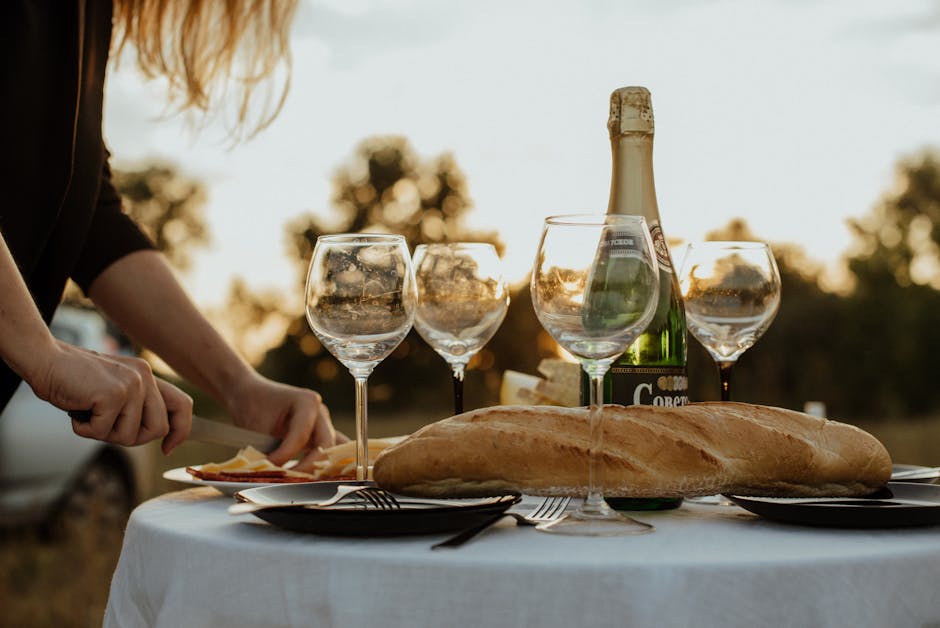
Why Cognac and French Cuisine Are a Natural Match
This isn’t just cultural nostalgia — there’s actual chemistry at play. Cognac (and its rustic cousin Armagnac) is a grape-based brandy, which means it shares fundamental flavor compounds with wine. That matters enormously when you’re thinking about food pairing, because the rules that apply to wine pairings often translate directly.
Cognac is produced in the Charente region of southwestern France, double-distilled in copper pot stills and aged in Limousin oak barrels. The oak aging introduces vanillin, tannins, and lactone compounds — all of which interact beautifully with fatty, savory, and acidic French dishes. Here’s a quick breakdown of the major cognac quality classifications and what that means for pairing:
- VS (Very Special): Aged a minimum of 2 years — lighter, fruitier profile. Best for aperitif-style pairings or lighter dishes.
- VSOP (Very Superior Old Pale): Minimum 4 years aging — more complexity, dried fruit and spice notes. Excellent with poultry and charcuterie.
- XO (Extra Old): Minimum 10 years aging (as of 2018 regulation) — rich, deep, rancio notes. Perfect with foie gras, aged cheeses, and chocolate desserts.
- Hors d’Age / Extra: Effectively 30+ year old blends — used for special occasion fine dining pairings with truffles, aged duck, or complex French sauces.
According to the Bureau National Interprofessionnel du Cognac (BNIC), global cognac exports reached approximately 217 million bottles in 2025, with Asia and North America driving premium tier demand. The XO segment grew by roughly 12% year-over-year — suggesting that consumers are increasingly treating cognac as a serious table companion, not just a late-night pour.
The Core Pairing Principles: Contrast, Echo, and Bridge
There are three mental frameworks I use when pairing cognac with food, and they borrow directly from wine pairing philosophy:
- Echo Pairing: Match the flavor profile. Rich, caramel-forward XO cognac echoes the sweetness in glazed duck or caramelized onion tarte tatin.
- Contrast Pairing: Use cognac’s acidity and alcohol to cut through fat. A bright, floral VSOP alongside a creamy chicken fricassée creates beautiful tension.
- Bridge Pairing: Find a shared ingredient. Cognac-based sauces (like a classic sauce Périgourdine with truffle and foie gras) obviously pair back to a glass of cognac — they share the same base spirit.
Course-by-Course French Food Pairing Recommendations for 2026
Let me walk you through specific pairing scenarios, from amuse-bouche to dessert. These are combinations I’ve personally explored, researched from sommeliers, and cross-referenced with recommendations from institutions like the École du Cognac and luxury hospitality groups like Relais & Châteaux.
Aperitif Stage — VS or Young VSOP:
- Gougères (cheese puffs) with Rémy Martin 1738 Accord Royal — the buttery pastry amplifies the vanilla notes in the cognac.
- Pissaladière (Provençal onion tart) alongside Courvoisier VSOP — the caramelized onion and anchovy play beautifully against the brandy’s dried fig notes.
- Smoked salmon blinis — try a light Armagnac like Tariquet VS Classique for a more rustic, earthy counterpoint.
First Course — VSOP:
- Foie gras mi-cuit (semi-cooked) with Hennessy VSOP — this is a classic, and for good reason. The liver’s fat is sliced clean by cognac’s warmth while the fruitiness mirrors the traditional Sauternes-style accompaniment.
- Soupe de poisson (fish soup) — controversial but effective. A coastal-style VSOP like Bertrand Cognac Fins Bois works here because the briny, saffron-laced soup needs something substantial to hold its own.
Main Course — XO or Hors d’Age:
- Duck confit with Hennessy XO — this is the pairing that started my obsession. The rendered duck fat, crispy skin, and herbes de Provence are a textbook echo match for XO’s rancio, walnut, and dried fruit complexity.
- Magret de canard aux cèpes (duck breast with porcini) — try Martell Cordon Bleu here, which has a distinctive Borderies terroir character with floral and sandalwood notes that complement wild mushroom dishes.
- Cassoulet — use a robust Armagnac like Château de Laubade XO. The casserole’s pork, duck, and white bean richness needs the more robust, rustic personality of Armagnac rather than a refined Cognac.
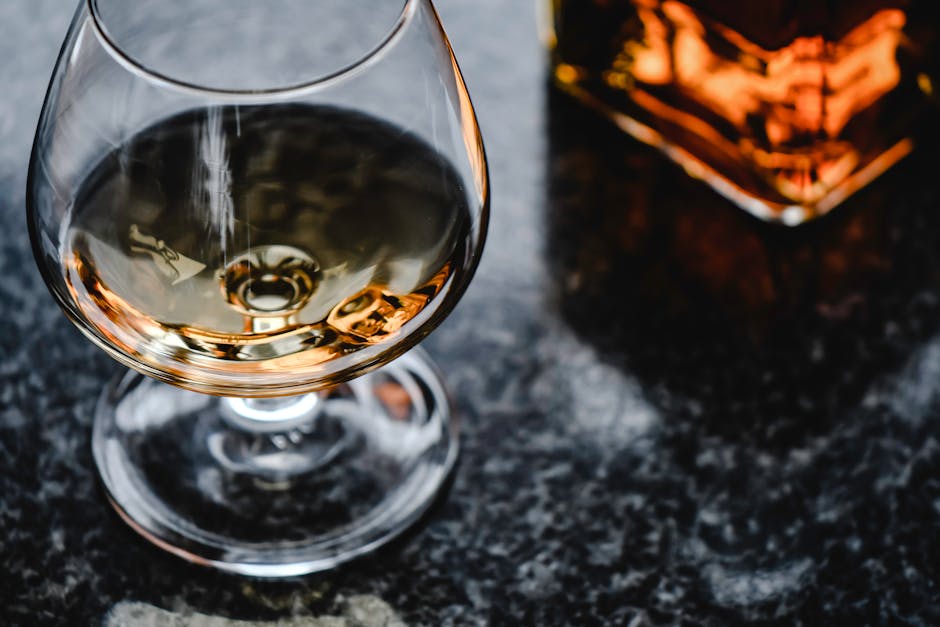
Cheese Course — The Underrated Champion of Cognac Pairing
This is where things get genuinely exciting. The French cheese course paired with cognac is arguably the most underexplored combination in Western dining. Here’s what the research from gastronomy publications like Revue du Vin de France and interviews with cognac house chefs consistently confirms:
- Comté (aged 24 months+): The nutty, crystalline texture of aged Comté is a revelation with Hine Antique XO. The cheese’s amino acid crystals and caramelized notes mirror cognac’s rancio character precisely.
- Roquefort: Blue cheese and cognac is a power pairing. The salt and funk of Roquefort contrast against the sweetness of an XO, creating a back-and-forth that keeps the palate engaged. Delamain Pale & Dry XO is an excellent choice here.
- Époisses: Washed-rind soft cheeses can overwhelm lighter spirits, but a full VSOP or young XO handles the pungency with authority. Try Frapin VSOP Grande Champagne.
- Brie de Meaux: Mild and creamy — go lighter here with a floral VSOP. Bisquit & Dubouché VSOP offers enough character without overpowering the cheese’s subtle mushroom notes.
Dessert & Digestif Pairings — Going Beyond the Obvious
Most people think of cognac purely as a digestif — a neat pour after dessert. That’s valid, but you’re leaving a lot of pleasure on the table. Here are dessert pairings that work:
- Tarte Tatin: The caramelized apple and buttery pastry is a near-perfect textural and flavor match for Rémy Martin XO. Zero competition, all harmony.
- Chocolate fondant (moelleux au chocolat): Dark chocolate’s bitterness and fat content stand up to an Extra/Hors d’Age. Hennessy Paradis is an indulgence here, but even a well-priced XO like Courvoisier XO delivers beautifully.
- Crème brûlée: The vanilla custard already shares aromatic DNA with oak-aged cognac. A VSOP is sufficient — don’t overcomplicate it.
- Financiers or madeleines: Small almond or brown butter cakes alongside a VS cognac make for a beautiful, lighter finish to a meal.
Practical Tips From Real-World Experience
- Serving temperature matters: Cognac served at 18–20°C (room temperature, not warmed in palm or flame) shows its best pairing characteristics. Over-warming releases alcohol vapors that dominate food aromas.
- Glassware choice: Use a tulip-shaped glass rather than the wide balloon snifter for food pairing — it concentrates aromas better and keeps the spirit from evaporating too quickly between sips.
- Pour size at the table: 30ml (1 oz) pours alongside food, rather than the standard 60ml digestif pour. You want to taste, not saturate.
- Water is your friend: A small glass of still water alongside helps reset the palate between bites and sips — especially important with high-proof cognacs (40–43% ABV is standard).
- Regional terroir logic: If you’re eating a dish from southwestern France (Périgord, Gascony), reach for an Armagnac from the same region rather than a Cognac. The provenance creates an authentic, harmonious pairing context.
Where to Learn More and Source Quality Bottles in 2026
For those who want to go deeper, the Bureau National Interprofessionnel du Cognac website (cognac.com) maintains an excellent educational resource with tasting guides and producer information. In the US, retailers like Total Wine & More and K&L Wine Merchants stock a solid range. In Europe, La Maison du Whisky in Paris carries rare cognacs and Armagnacs that rarely make it to export markets. For online purchasing, Cognac Expert (cognac-expert.com) is arguably the most comprehensive specialty retailer with detailed producer notes and pairing suggestions curated by certified tasters.
If you’re building a pairing dinner from scratch and want a cost-effective starting range, consider: Courvoisier VSOP (~$35), Martell Cordon Bleu (~$85), and Hennessy XO (~$200) as a three-tier progression across courses. That covers aperitif through digestif without breaking the bank entirely.
Editor’s Comment : If you’ve only ever treated cognac as an after-dinner ritual, I genuinely encourage you to rethink the whole meal structure. The magic of pairing cognac with French food isn’t about rigid rules — it’s about understanding the spirit’s character well enough to create conversation between the glass and the plate. Start simple: buy a decent VSOP, cook a duck leg confit on a Sunday, and experience it side by side. That one experiment will tell you more about cognac pairing than any book ever could. And if the XO-with-Roquefort combination sounds intimidating, try it anyway — it’s one of those pairings that makes you feel like you’ve discovered something secret. Because honestly, at most dinner tables, you have.
📚 관련된 다른 글도 읽어 보세요
- World’s Best Whisky Distillery Tours: The Ultimate 2026 Guide to Planning Your Dream Dram Journey
- 아쿠아비트란 무엇인가? 북유럽 전통주의 역사·맛·특징 완벽 정리 (2026)
- Japanese Whisky vs. Scotch Whisky Food Pairings: A 2026 Guide to Matching Flavors Like a Pro
태그: cognac brandy pairing, French food and cognac, Hennessy XO food pairing, Armagnac French cuisine, foie gras cognac, duck confit brandy, French dinner pairing guide
Leave a Reply