A few months back, a friend of mine — a sommelier based in Lyon, France — sent me a voice message that basically floored me. She’d just come back from a wine trade fair in Paris where, tucked between Burgundy négociants and Italian grappa producers, there was a full Korean traditional liquor pavilion. Not a corner booth. A pavilion. She was raving about a sparkling makgeolli paired with oysters, saying it reminded her of a light pét-nat but with this earthy, almost yogurt-like complexity she’d never encountered before. That moment crystallized something for me: Korean jeongtong-ju (전통주, traditional liquor) is no longer an exotic curiosity — it’s genuinely arriving on the world stage in 2026, and the momentum feels irreversible.
So let’s dig into where things actually stand, what the data is telling us, which brands are leading the charge, and — most importantly — what makes this particular wave different from earlier failed attempts at globalization.
The Numbers Don’t Lie: Korea’s Traditional Liquor Export Surge
Let’s start with cold, hard figures, because the story they tell is genuinely exciting. According to Korea Agro-Fisheries & Food Trade Corporation (aT) export data compiled through early 2026:
- Korean traditional liquor exports hit approximately $98 million USD in 2025, with projections for 2026 pushing past the $120 million threshold — nearly triple the figure from just five years prior.
- Makgeolli remains the volume leader, but premium cheongju (清酒, Korean rice wine) and distilled spirits like andong soju are growing fastest in value terms, up roughly 34% year-on-year.
- Top export destinations in 2026 include the United States (leading by dollar value), Japan (leading by volume), China, Australia, and — the newcomer that surprises everyone — the United Kingdom, which saw a 67% surge in Korean spirits imports following new post-Brexit trade frameworks.
- The EU market has opened significantly since the Korea-EU FTA tariff reduction schedules fully matured, reducing barriers on fermented rice beverages to near zero in many member states.
- The K-Culture premium is real and quantifiable: surveys by the Korean Ministry of Food and Drug Safety show that brand recognition for Korean alcoholic beverages among 25-40 year olds in G7 nations rose from 31% in 2022 to 58% in early 2026.
What’s driving the value shift is a deliberate pivot away from commodity-grade exports (cheap, mass-produced makgeolli in plastic bottles) toward craft and premium positioning. This wasn’t an accident — it was policy-driven, industry-driven, and frankly, culture-driven.
Why 2026 Feels Different: The Perfect Storm of Factors
I’ve been tracking this space since around 2018, and I’ll be honest — there were years where it felt like Korean traditional liquor globalization was perpetually “about to happen.” So what’s actually different now?
1. The K-Content Halo Effect Has Reached Critical Mass. The global appetite for Korean drama, K-pop, and Korean cinema didn’t just drive bibimbap and kimchi sales — it created genuine cultural curiosity about drinking culture. Scenes of characters sharing makgeolli in earthenware bowls or doing a formal jeonsik toast with cheongju have become aspirational imagery for international audiences. Streaming platforms have essentially done billions of dollars of brand-building for free.
2. The Natural Wine and Craft Fermentation Movement Created the Perfect Consumer. The global audience that discovered pét-nat, orange wine, and spontaneous fermentation is the exact same demographic primed to appreciate makgeolli’s complexity. Both are living beverages with active cultures, both have some residual sweetness balanced by acidity, and both reward the kind of curious, process-interested drinker who reads the back label.
3. Government Policy Finally Got Serious. The revised Liquor Tax Act amendments and the “K-Traditional Liquor Global Expansion” initiative launched by the Ministry of Agriculture in 2024 and hitting full stride in 2026 have made real differences: dedicated export consulting, co-branding support, and a revamped Traditional Liquor Master certification system that adds international credibility.
Who’s Actually Winning: Brand Spotlights
Let me walk you through some of the players making real noise internationally right now, because this is where the rubber meets the road.
Makku (막걸리): Founded by Korean-Americans and now headquartered with production partnerships in Korea, Makku has cracked the US craft beverage market with beautifully designed cans and a range of flavors (original, raspberry, blueberry) that speak the language of the American hard seltzer and craft beer consumer. They’re now distributed across 35 US states and have retail placement in Whole Foods nationally. Their genius was meeting the consumer where they already shop.
Hana Makgeolli (하나막걸리) / Seoul’s boutique producers: Small-batch producers like Bae Sangmyeon’s operation in Gyeonggi-do are now exporting direct-to-sommelier through specialty importers in New York, London, and Sydney. These aren’t cheap products — we’re talking $25-40 per 750ml bottle, sitting comfortably alongside craft sake and artisan ciders in fine dining wine lists.
Andong Soju (안동소주): Perhaps the most compelling story for the whiskey-drinker crossover market. Andong soju, distilled (not diluted like commercial soju) and aged in some cases, has found an audience among American bourbon enthusiasts and Scotch drinkers looking for new territory. Several specialty spirits retailers in Manhattan and Los Angeles now carry aged andong soju at $60-90 price points.
Hwayo (화요): The premium rice spirit brand that’s been doing everything right for years is now the Korean spirit most likely to appear on an international spirits competition podium. Their 41% and 53% expressions have gold medals from the International Wine & Spirit Competition (IWSC) and San Francisco World Spirits Competition under their belts as of 2026.
The Real Challenges Nobody Wants to Talk About
Okay, here’s where my ten-plus years of watching this space makes me want to pump the brakes just slightly — not to be pessimistic, but because the challenges are real and worth naming.
- Cold chain logistics: Unpasteurized makgeolli is a living product with a short shelf life. Getting it to a bar in Berlin or Melbourne without compromising quality remains genuinely difficult and expensive. Some producers are experimenting with flash pasteurization that preserves more character than traditional methods, but purists argue you lose something irreplaceable.
- Category recognition: Customs, import regulations, and even menu categorization remain inconsistent. Is makgeolli beer? Wine? A fermented beverage? The answer changes your tariff code, your import permit requirements, and where on the menu you get placed. This isn’t solved yet.
- Consistency and scaling: The very craft producers generating the most international buzz are often too small to meet the volume demands of major importers. Scaling up without losing what makes the product special is a tension every category faces, but it’s particularly acute here.
- Consumer education cost: Unlike sake, which has had decades of restaurant sommelier education infrastructure in the West, Korean traditional liquors are starting from relative scratch. The investment required to educate importers, distributors, servers, and finally consumers is enormous.
What the Next Phase Looks Like: 2026 and Beyond
The most exciting development I’m watching right now is the emergence of Korean traditional liquor-focused importers and distributors in major markets — entities that are not general Korean food importers who happen to carry makgeolli, but specialists building portfolios and educating their markets with the same seriousness as sake importers in the 1990s. That’s a structural shift that signals real staying power.
Additionally, the Korean government’s push to establish GI (Geographical Indication) protections internationally — similar to how Champagne or Jerez protect their names — for products like Andong Soju and Gyeongju Gyodong Beopju (경주교동법주) is progressing through WTO channels. If successful, this adds enormous brand equity and legal protection that will matter enormously in 10-20 year timelines.
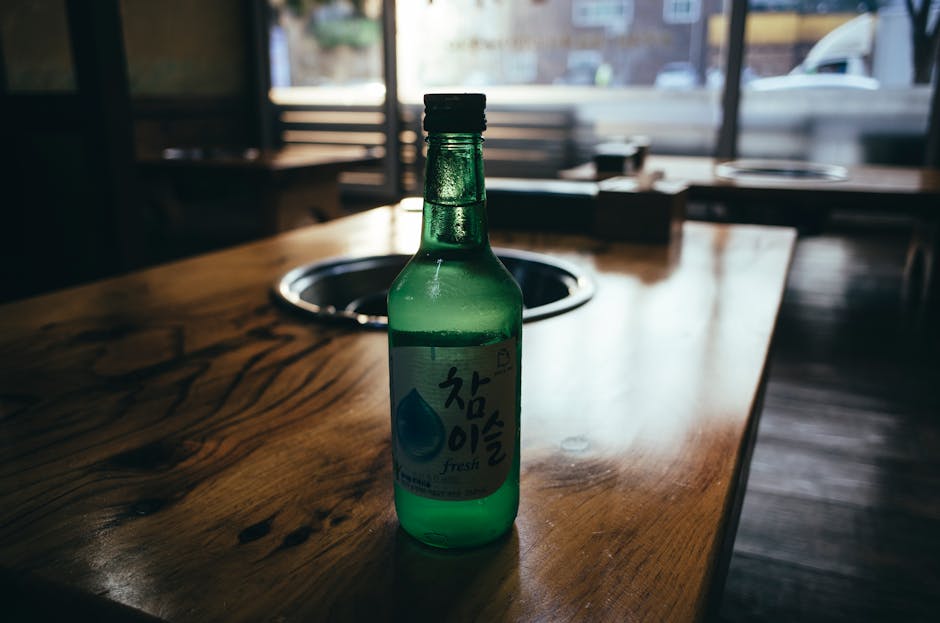
For travelers and spirits enthusiasts reading this: if you haven’t explored beyond the green-bottle diluted soju of Korean BBQ restaurants, 2026 is genuinely the year to start. Seek out specialty retailers or ask your local craft spirits shop to source some premium cheongju or a traditional makgeolli. Many Korean cultural centers in major cities now host tasting events. The Korea Tourism Organization (visitkorea.or.kr) even runs virtual and in-person pairing masterclasses in partnership with chefs and sommeliers.
And if you’re in the industry — importer, restaurateur, beverage director — the early-mover advantage in this category is still very much available. The window won’t be open forever.
Editor’s Comment : Korean traditional liquor globalization in 2026 isn’t hype — it’s a structural shift backed by export data, consumer behavioral trends, and genuine product quality that can stand alongside the world’s best fermented and distilled beverages. The story isn’t finished being written, which is exactly what makes it so compelling to watch. If you’ve been curious but haven’t taken the plunge, now is genuinely the moment. Start with a quality makgeolli, move to cheongju, and let andong soju be your rabbit hole. You won’t regret it.
📚 관련된 다른 글도 읽어 보세요
- 럼 칵테일로 떠나는 카리브해 문화 탐방 2026 – 한 잔에 담긴 역사와 이야기
- 일본 위스키 vs 스코틀랜드 위스키 페어링 완벽 가이드 2026 — 어떤 음식과 어울릴까?
- American Single Malt Whiskey New Releases 2026: The Category That’s Rewriting the Rulebook
태그: Korean traditional liquor, makgeolli globalization 2026, jeongtong-ju export, Korean spirits international market, andong soju premium, Hwayo Korean rice spirit, K-culture food and drink
Leave a Reply