I still remember the raised eyebrow I got from a Scottish distiller friend when I mentioned I was diving deep into American single malts back in 2022. “Americans making single malt?” he chuckled. Fast forward to April 2026, and that same friend texted me last week asking for recommendations. That’s how dramatically the landscape has shifted — and honestly, the newest wave of releases hitting shelves this spring is the most exciting batch yet.
If you’re new to the category, here’s the quick orientation: American single malt whiskey is made from 100% malted barley, distilled at a single distillery in the United States. The American Single Malt Whiskey Commission (ASMWC) got its long-awaited official TTB recognition, and now with a clear legal definition in place, distilleries have been sprinting toward quality with remarkable focus. Let’s dig into what 2026 is actually delivering.
Why 2026 Is a Watershed Year for the Category
The timing matters here. Most serious American single malt projects that launched between 2016 and 2019 are now releasing expressions with 7–10 years of age — a maturation sweet spot that changes everything about complexity. Before, we were largely tasting promising-but-young distillates. Now we’re seeing what these spirits can genuinely become.
According to the Distilled Spirits Council’s Q1 2026 report, American single malt as a sub-category grew 34% in volume sales year-over-year, outpacing even the broader American whiskey segment. Premium expressions (priced above $80) saw even sharper growth at 47%. Consumers are clearly willing to pay for quality — and distilleries are responding.
Top New Releases Worth Your Attention Right Now
Let me walk you through the standout bottles I’ve been tasting over the past six weeks. I’m approaching these not just as a fan, but with a practical “is this worth your money?” lens.
- Westland Distillery — Colere Edition 6 (Seattle, WA): This is the one everyone’s talking about. Using a proprietary Chapters barley grown exclusively in the Skagit Valley, the 2026 release shows incredible terroir expression — think roasted hazelnuts, dried fig, and a long finish of bittersweet dark chocolate. At around $120, it’s indulgent but justifiable for a special occasion bottle. Westland has consistently been the benchmark for the category, and Colere 6 doesn’t disappoint.
- Balcones Distillery — Single Malt Aged 7 Years (Waco, TX): Balcones has always played by their own rules, and this extended-age release proves they were right to be patient. The Texas heat accelerated maturation beautifully, delivering candied orange peel, toasted pecans, and a surprisingly elegant floral lift. Retails around $95. This is the bottle I’d hand to a Scotch skeptic first.
- Copperworks Distilling — Release No. 057 (Seattle, WA): A more approachable entry point at roughly $70. They’re using Pacific Northwest two-row malt and their characteristic pot still setup. The result is lighter in body — lemon curd, fresh barley, light vanilla — which actually makes it a fantastic gateway expression. Don’t sleep on this one.
- Lost Spirits Distillery — ABOMINATION Chapter 12 (Los Angeles, CA): The wildcard of the group. Lost Spirits uses their patented THEA One reactor technology to simulate years of maturation in days — controversial, yes, but the flavors are genuinely fascinating. Smoky, tropical, and weirdly coherent. At $85, it’s a conversation-starter bottle that’s hard to categorize. I respect the ambition even when I wrestle with the philosophy.
- Stranahan’s — Sherry Cask Finish 2026 Batch (Denver, CO): Stranahan’s is the old guard of American single malt, and their annual sherry cask release remains a reliable hit. Rich Christmas cake, dried cranberry, and warming spice. Classic, well-executed, around $80. Buy two — one to drink, one to revisit in a year.
How American Single Malts Stack Up Against the Global Field
Here’s where I want to think through this honestly with you, because the comparison question always comes up: “Should I just buy Scotch instead?”
Internationally, Scotch single malts from regions like Speyside and Islay remain the gold standard for tradition and depth — distilleries like GlenDronach or Bruichladdich have decades of cask inventory that American producers simply can’t replicate yet. Japanese single malts from Nikka and Suntory continue commanding sky-high premiums due to limited allocations. Even Taiwanese producers like Kavalan are challenging traditional hierarchies.
But here’s the thing: American single malts are increasingly not trying to be Scotch. The best 2026 releases embrace American oak, local grain varieties, regional water profiles, and frankly the experimental spirit that defines American craft culture. Westland’s Washington State barley story is genuinely unique. Balcones leveraging Texas climate extremes produces something you simply cannot get elsewhere. That’s not a consolation prize — that’s a distinct identity.
Decoding the Label: What to Look For When Buying
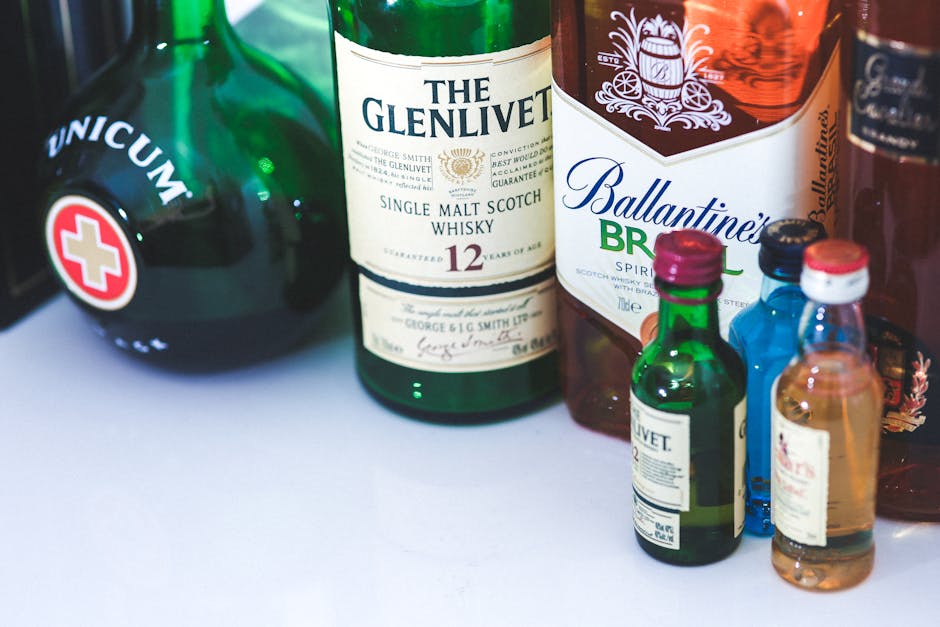
Since this category is still building consumer literacy, here are the key signals I look for on a bottle before committing:
- Age statement: Not mandatory, but a 6+ year age statement in 2026 signals real commitment to maturation. Younger NAS (No Age Statement) bottles can still be excellent, but know what you’re buying.
- Malt source transparency: The best producers tell you where their barley comes from. Estate-grown or regionally-sourced malt is a quality indicator.
- Cask type: American oak (ex-bourbon) gives vanilla and caramel. Sherry casks bring dried fruit richness. New charred oak is bold and intense. Neither is objectively better — match to your palate.
- Distillation method: Pot still production generally offers more texture and complexity than column still for this style.
- ASMWC membership: Distilleries voluntarily adhering to the American Single Malt standard are signaling category commitment. Worth noting.
Realistic Alternatives If the Budget Is a Concern
Not everyone needs to start at $90+, and honestly, you shouldn’t feel pressured to. Here’s how I’d approach the category at different budget levels in 2026:
Under $50: Look at Woodinville Whiskey Co.’s Single Malt or distillery-direct purchases from smaller regional producers at their tasting rooms — often the best value play. Many excellent craft bottles in the $40–55 range exist if you’re willing to explore local distilleries.
$55–80: The Copperworks release mentioned above lives here, along with expressions from Dry Fly Distilling (Spokane, WA) and Pearse Lyons Distillery whose American chapter has been quietly impressive.
$80–120+: This is where Westland, Balcones aged expressions, and Stranahan’s special releases live. Treat these as deliberate purchases rather than casual grabs.
And if you’re genuinely budget-constrained but curious? Ask your local spirits shop about open bottle tastings — most serious retailers in 2026 now run regular American single malt flights, especially given the category’s growth. Knowledge before purchase is always the smart move.
Editor’s Comment : The American single malt category in 2026 feels like watching a talented athlete hit their stride — the raw potential we’ve been excited about is finally translating into consistent, mature performance. My honest recommendation: don’t approach these bottles expecting Scotch. Come curious, come open-minded, and you’ll find something genuinely new. Start with Copperworks if you want accessible elegance, go straight to Westland Colere if you want to understand what the ceiling looks like. Either way, this is one of the most interesting moments in American whiskey history, and we’re lucky to be tasting through it in real time.
📚 관련된 다른 글도 읽어 보세요
- Best Whisky Spirits for Beginners in 2026: Your Friendly Guide to Starting the Journey Right
- 희귀 싱글몰트 위스키 경매 가격, 2026년 지금 얼마까지 올랐을까?
- 아이리시 위스키의 조용한 반란 — 2026년 글로벌 시장 판도가 바뀌고 있다
태그: [‘American single malt whiskey’, ‘whiskey review 2026’, ‘craft whiskey’, ‘Westland Distillery’, ‘Balcones whiskey’, ‘single malt spirits’, ‘American whiskey trends’]
Leave a Reply