Picture this: It’s a warm Thursday evening in Barcelona’s El Born neighborhood. You step into a dimly lit bar where the shelves behind the counter stretch floor to ceiling — not with whiskeys or wines, but with an astonishing wall of gin bottles. The bartender slides over a balloon glass the size of a small fishbowl, packed with ice, garnished with a sprig of rosemary and a twist of pink grapefruit, and topped with a Japanese tonic you’ve never heard of. You take a sip, and suddenly you understand why the gin & tonic — what the Spanish affectionately call the Gin-Tonic — has become the defining cocktail of 2026 European bar culture.
I’ve been tracking beverage trends across Europe for years now, and what’s happening with gin & tonic right now is genuinely fascinating. It’s not just a drink anymore — it’s a cultural experience, a conversation starter, and honestly, a pretty solid lens through which to understand how modern Europeans think about leisure, craft, and identity. Let’s dig into this together.
The Numbers Don’t Lie: Gin’s Resurgence Is Real
Let’s ground ourselves in some data first, because the scale of this trend is easy to underestimate. According to the IWSR Drinks Market Analysis 2025-2026 report, premium and super-premium gin sales across Western Europe grew by approximately 14% year-on-year, with Spain, Germany, and the UK leading the charge. Spain alone now accounts for roughly 30% of all global gin consumption — a staggering figure for a country of its size.
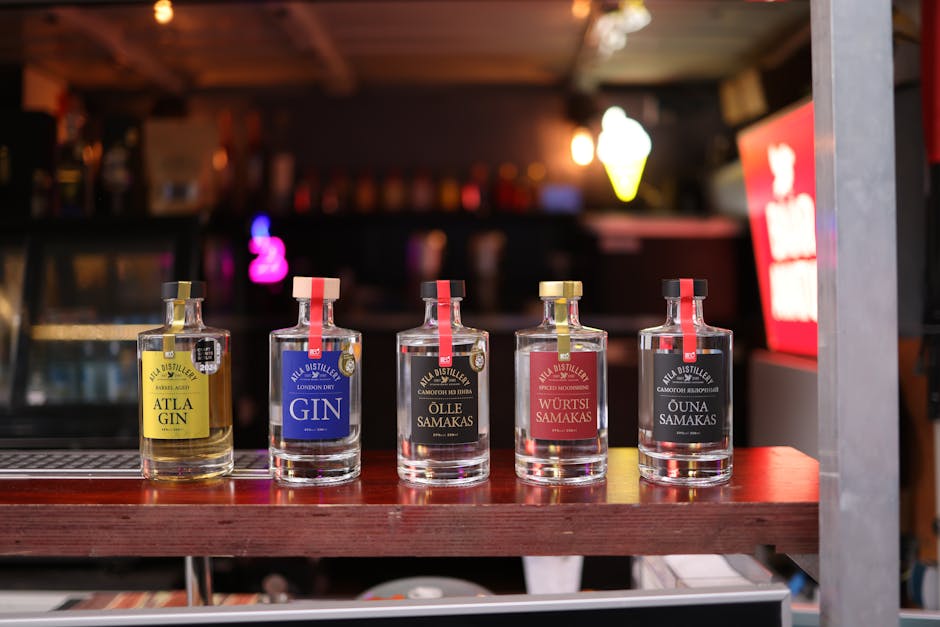
The craft gin segment is particularly explosive. As of early 2026, there are over 800 active craft gin distilleries operating across the European Union, compared to just under 200 in 2015. That’s a 300% increase in a decade. And here’s the kicker: the tonic water market has grown in lockstep. Premium tonic brands like Fever-Tree, Fentimans, and the Spanish darling 1724 Tonic have collectively captured over 40% of the European mixer market — a space that was almost entirely dominated by mass-market brands like Schweppes just fifteen years ago.
What does this tell us? Consumers aren’t just drinking more gin; they’re drinking better gin, paired with intentional tonics. The gin & tonic has evolved from a simple two-ingredient drink into what industry insiders now call a “garnish-forward flavor journey.”
Why Europe — and Why Now in 2026?
There are a few converging forces that make 2026 a particularly pivotal year for this trend, and I think it’s worth reasoning through them carefully rather than just listing them off.
Post-pandemic experiential shift: Since the mid-2020s, European consumers have consistently shown a preference for quality-over-quantity in their leisure spending. After years of disruption, people want experiences that feel intentional and memorable. A G&T with seven thoughtfully chosen botanicals and a hand-carved ice sphere scratches that itch in a way that a pint of lager simply doesn’t.
The “locavore” movement hitting cocktails: Just as farm-to-table transformed the food world, distillery-to-glass is reshaping the cocktail scene. Gin is uniquely positioned here because it’s one of the few spirits where local botanical identity is almost literally baked in. A Scottish gin featuring heather and sea buckthorn tastes different from a Catalan gin built around cardamom and wild thyme — and consumers in 2026 are actively seeking out that story.
Social media’s visual appetite: Let’s be honest — a beautifully garnished balloon glass is extraordinarily photogenic. The aesthetic economy that drives Instagram and TikTok has been a genuine tailwind for premium G&T culture, especially among the 25-40 demographic.
City-by-City: How G&T Culture Differs Across Europe
One of the things I find most compelling about this trend is how differently it manifests depending on where you are. There’s no monolithic “European gin culture” — there are many, and they’re worth exploring individually.
Barcelona & Madrid (Spain): The undisputed spiritual home of modern G&T culture. Spanish gin bars — known as ginterías — typically offer curated menus with 50-100+ gin options, each paired with a recommended tonic and specific garnish. The Copa de Balon (balloon glass) originated here, and the ritualistic preparation — building the drink slowly, layer by layer — has become a genuine art form. Notable spots like Bobby’s Gin Bar in Madrid and Bar Calders in Barcelona have waiting lists on weekends in 2026.
London, UK: London remains the historical heartland of gin (London Dry Gin is literally a legally defined category), but the scene here has evolved into something more sophisticated and globally influenced. The rise of “gin flights” — sampler sets of three or four gins served with matching tonics — is particularly popular in 2026. Neighborhoods like Shoreditch and Bermondsey host dedicated gin distillery bars where you can watch your spirit being made steps from where you’re drinking it.
Berlin, Germany: Berlin’s approach is characteristically experimental. The city’s bar scene has embraced “gin & tonic pairing menus” that mirror wine pairing philosophies — matching the G&T’s flavor profile to small plates of food. This is genuinely new territory and very 2026 Berlin energy.
Copenhagen & Amsterdam: The Nordic and Dutch scenes lean heavily into sustainability narratives. You’ll find gins made from upcycled bread (like Bimber’s collaborations) or foraged coastal botanicals, served with tonics that use minimal carbon-footprint production methods. The drink becomes an ethical statement as much as a sensory one.
Key Elements of the Modern G&T Experience
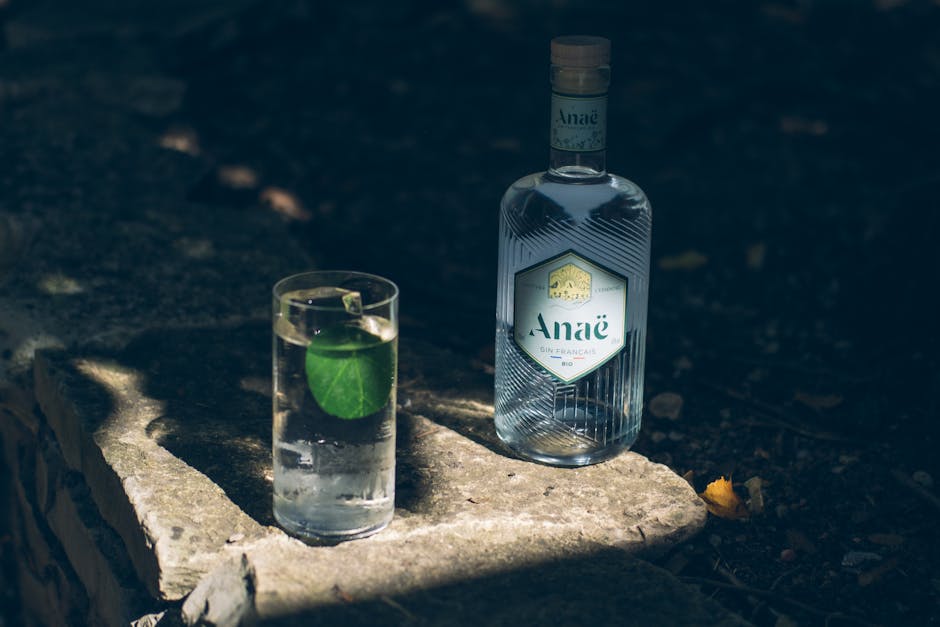
- The Glass Matters: The balloon glass (Copa de Balon) isn’t just aesthetic — its wide bowl allows aromatic compounds to concentrate above the drink, enhancing the nose and overall sensory experience before the first sip.
- Ice Architecture: Premium G&T bars in 2026 use large-format, crystal-clear ice cut from purified water blocks. Smaller, cloudier ice dilutes faster and muddies flavors — a real no-no in serious establishments.
- Botanical Garnishing as Art: Garnishes aren’t decorative afterthoughts. They’re chosen to echo or complement the gin’s primary botanicals — citrus peels for citrus-forward gins, herbs like thyme or rosemary for earthy expressions, edible flowers for floral profiles.
- Tonic Selection Philosophy: The tonic-to-gin ratio is typically 3:1 in the Spanish style, but European bars increasingly offer “dry G&Ts” with less tonic and more mineral water to let the gin’s character breathe.
- The “Talking Drink” Concept: Bartenders at top European gin bars are trained to guide customers through the sensory experience — explaining the distillation process, the botanical origins, and the pairing rationale. It’s part education, part hospitality theater.
Accessible Alternatives: How to Bring This Energy Home
Now, I want to be realistic here — not everyone can hop over to Barcelona for a Thursday evening G&T ritual. But the good news is that you can replicate a surprisingly large portion of this experience at home, and I’d love to walk you through how to think about it.
If you’re a beginner, start simple: pick a London Dry gin (Beefeater or Tanqueray are genuinely excellent and affordable starting points), grab a bottle of Fever-Tree Indian Tonic Water, and invest in a large wine glass if you don’t have a balloon glass. Use more ice than you think you need. Add a slice of cucumber and a wedge of lime. Build slowly. That’s 80% of the experience for about €8.
If you want to go deeper, consider exploring Spanish craft gins like Gin Mare (Mediterranean botanicals including basil and rosemary) or Nordes Atlantic Galician Gin (made with Albariño grape spirit and local botanicals). Pair these with a lighter, more delicate tonic like Fever-Tree Mediterranean or 1724. The difference in complexity is immediately noticeable.
For the truly adventurous, start keeping a small “gin journal” — note the botanicals listed on the bottle, the tonic you paired with it, the garnish you used, and your impressions. This mirrors exactly what serious gin enthusiasts do across Europe, and it deepens your appreciation exponentially.
And if you ever do find yourself in a European city with a thriving gin scene? Trust the bartender. Order from the menu rather than asking for “just a regular G&T.” Lean into the conversation. That’s where the real magic of this culture lives.
Editor’s Comment : What strikes me most about the European gin & tonic renaissance of 2026 isn’t the impressive sales data or the Instagram-worthy aesthetics — it’s the underlying philosophy. In a world that often feels rushed and disposable, the ritual of building a proper G&T forces you to slow down, pay attention, and engage all your senses. Whether you’re in a gintería in Madrid or crafting one at your kitchen counter, that mindfulness is genuinely valuable. Cheers to that. 🍸
📚 관련된 다른 글도 읽어 보세요
- 중국 바이주, 세계를 공략한다 — 2026년 글로벌 시장 진출 트렌드 완벽 분석
- The Rise of Irish Whiskey in 2026: Market Analysis, Global Trends, and What It Means for You
- 2026년 세계 위스키 브랜드 비교 리뷰 | 스카치·버번·재패니즈·아이리시 완벽 정리
태그: [‘gin tonic Europe 2026’, ‘European bar culture’, ‘craft gin trends’, ‘premium cocktail experience’, ‘gin and tonic guide’, ‘Barcelona gin bars’, ‘artisan gin distilleries’]
Leave a Reply