I still remember the first time someone handed me a glass of Scotch whisky at a dinner party. I took one sip, winced, and politely set it down. Sound familiar? The thing is, that moment wasn’t the whisky’s fault — it was mine. I had no roadmap, no context, and absolutely no idea that the world of whisky is incredibly layered, approachable, and honestly, one of the most rewarding rabbit holes you can fall into.
If you’re new to whisky (or Korean spirits enthusiasts curious about international whiskies — 위스키 입문자), this guide is built for you. Let’s think through this together: what makes a whisky beginner-friendly, which bottles are worth your money in 2026, and how do you build a palate without burning through your wallet?
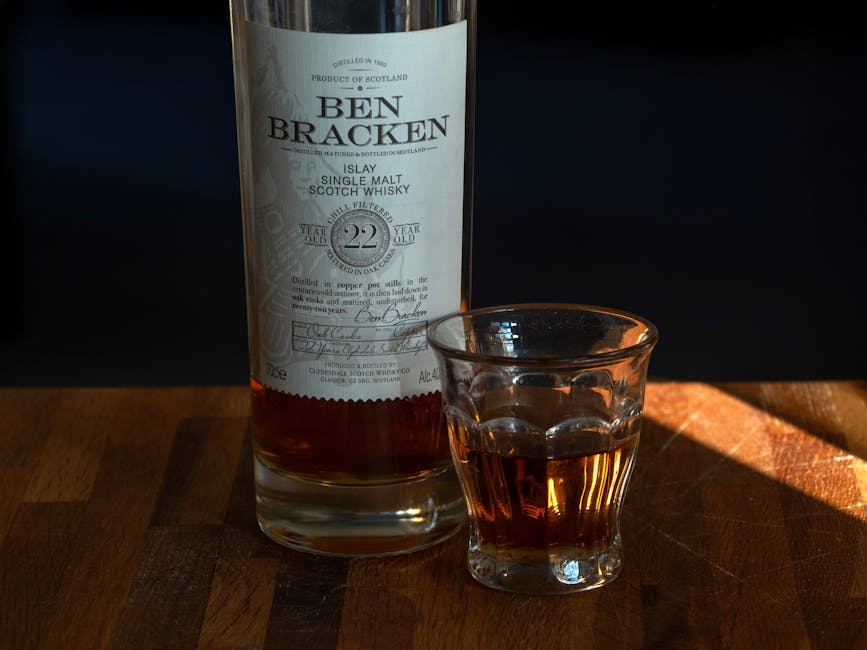
What Actually Makes a Whisky ‘Beginner-Friendly’?
Before we dive into specific bottles, let’s reason through the criteria. Not all whiskies are created equal for new palates. The key variables to consider are:
- Alcohol by Volume (ABV): Whiskies range from 40% to 65%+ ABV. For beginners, staying in the 40–46% range prevents the alcohol from overwhelming your nose and palate.
- Flavor Profile: Heavily peated Scotch (think Islay whiskies like Laphroaig) can taste like campfire and seaweed. Exciting? Yes. Approachable for Day 1? Probably not. Sweet, fruity, or lightly spiced profiles ease you in far more naturally.
- Price Point: In 2026, the global whisky market remains robust, with premium bottles up roughly 8–12% compared to just a few years ago. Smart entry points exist between $25–$60 USD.
- Availability: A great whisky you can’t find locally isn’t practical. We’ll focus on widely distributed expressions.
The Data Behind the Whisky Boom in 2026
The global whisky market was valued at approximately $76 billion USD in 2025 and is projected to grow at a CAGR of around 6.2% through 2030, according to industry analytics firms tracking spirits. Notably, Asian markets — including South Korea, Japan, and China — have become dominant growth engines. Korean whisky consumption, in particular, has surged as younger consumers shift from traditional soju to premium spirits, with import whisky sales up nearly 22% year-over-year as of early 2026.
This growth matters because it means distilleries are actively crafting more approachable, entry-level expressions to capture new drinkers. That’s genuinely good news for beginners.
Top Beginner-Recommended Whisky Spirits in 2026
Let’s walk through some stellar options across key categories. Think of these not as a rigid list, but as a starting conversation:
- Glenfiddich 12 Year (Speyside Scotch, ~$45 USD): The world’s best-selling single malt for good reason. Fruity pears, fresh oak, and a gentle sweetness. It’s like the gateway drug of Scotch — reliable, elegant, and non-threatening. Widely available in Korea at major liquor retailers like Lotte Liquor and GS25 premium shelves.
- Monkey Shoulder (Blended Malt Scotch, ~$35 USD): Three Speyside malts blended for smoothness. Cocktail-friendly and sippable neat. For beginners who aren’t sure they like whisky straight, this bridges the gap perfectly.
- Buffalo Trace (Kentucky Bourbon, ~$30 USD): One of the most celebrated value bourbons in the world. Caramel, vanilla, and a hint of spice. Bourbon’s sweeter, corn-forward character is statistically the most popular entry point for new whisky drinkers globally.
- Nikka From The Barrel (Japanese Whisky, ~$55 USD): A powerhouse of flavor at 51.4% ABV, but surprisingly balanced. Japanese whisky’s meticulous blending philosophy makes it complex yet approachable. In 2026, Japanese whiskies remain aspirational favorites in Korean whisky bars.
- Jameson Irish Whiskey (~$30 USD): Triple-distilled smoothness. If someone tells you they don’t like whisky, give them Jameson. The light, grainy sweetness rarely offends anyone.
- Kavalan Concertmaster (Taiwanese Whisky, ~$55 USD): Aged in Port casks, this delivers a lush, dessert-like richness. Taiwan’s King Car distillery has been consistently award-winning, and this expression is a fantastic 2026 pick for Asia-Pacific whisky newcomers.
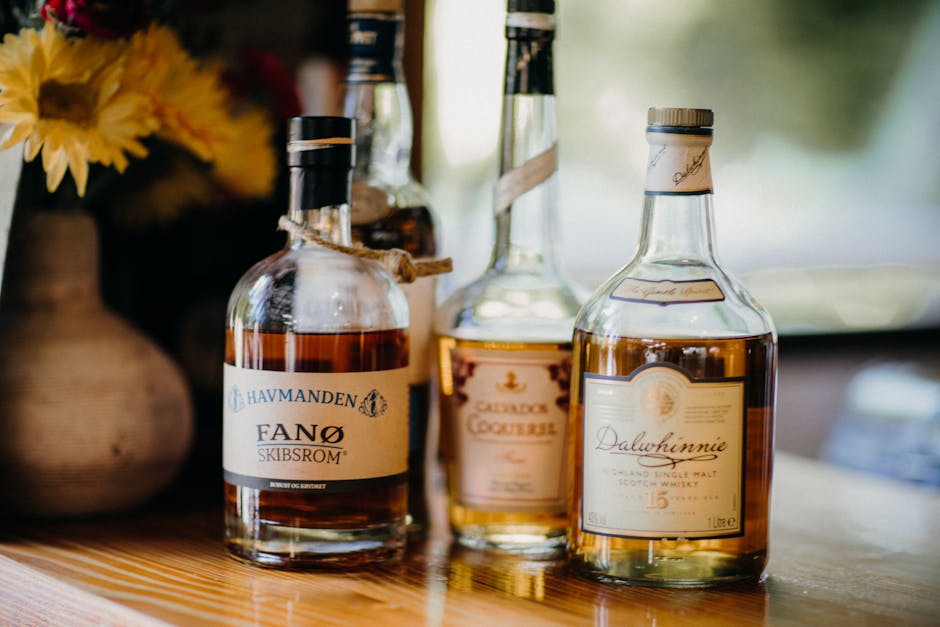
Domestic & International Examples: How Different Markets Approach Entry-Level Whisky
In South Korea, the concept of 하이볼 (highball) culture has genuinely revolutionized whisky accessibility. Major convenience chains and cocktail bars now serve whisky highballs — typically a blended Scotch or Japanese whisky mixed with sparkling water over ice — as a casual, low-barrier entry point. Whiskies like Suntory Toki and Cutty Sark Prohibition have exploded in popularity specifically because of this trend.
In the United States, the bourbon trail culture (centered around Kentucky) has expanded its educational infrastructure significantly. Distilleries like Buffalo Trace and Maker’s Mark now offer structured tasting programs specifically designed for first-time visitors, emphasizing flavor vocabulary rather than technical jargon.
In the UK, independent bottlers like Gordon & MacPhail have launched accessible, lower-price cask expressions specifically targeting millennial and Gen Z newcomers in 2026, addressing the premiumization barrier that previously locked many out of single malt culture.
Building Your Palate: A Practical Approach
Here’s something I wish someone told me early on: your palate is not fixed. It evolves with exposure. A practical progression might look like this:
- Month 1–2: Start with Irish whiskey or blended Scotch (Jameson, Monkey Shoulder). Focus on enjoying the drink, not analyzing it.
- Month 3–4: Move to bourbon (Buffalo Trace, Maker’s Mark). Notice how sweetness and spice interact differently.
- Month 5–6: Explore single malts from Speyside (Glenfiddich, Balvenie). Start adding water drops to open up aromas.
- Month 7+: Venture into Islay (peated) or Japanese expressions. By now, complexity will excite rather than overwhelm you.
Realistic Alternatives for Different Budgets & Situations
Not everyone has the same budget or access. Let’s be honest about that:
- Tight budget ($20–$30): Evan Williams Black Label (bourbon) or Dewar’s White Label (blended Scotch) deliver excellent value without compromising the experience.
- Mid-range ($35–$60): The recommendations above hit this sweet spot perfectly.
- Gift or splurge ($70–$100): Consider Balvenie 12 Year DoubleWood or Hibiki Japanese Harmony — both are premium but still approachable.
- Can’t find specific bottles locally: Use reputable Korean import spirits platforms or international apps like Flaviar or Master of Malt for delivery options available in 2026.
- Prefer not to commit to a full bottle yet: Look for whisky tasting sets or 50ml miniatures — many retailers and duty-free shops stock these specifically for curious beginners.
The most important thing? There’s no “wrong” whisky to start with. The whisky you enjoy is the right whisky for you. The whole point is exploration, and 2026 has arguably never been a better or more exciting time to begin.
Editor’s Comment : Whisky is one of those rare pleasures that rewards patience and curiosity in equal measure. If you walk away from this guide with just one bottle and an open mind, you’re already ahead of where I was at my first dinner party. Start slow, drink a little less but drink better, and let your palate lead the way. The journey itself is the destination — cheers! 🥃
태그: [‘whisky for beginners’, ‘best beginner whisky 2026’, ‘위스키 입문 추천’, ‘single malt scotch guide’, ‘bourbon for beginners’, ‘Japanese whisky 2026’, ‘how to start drinking whisky’]
Leave a Reply