A few months ago, a friend of mine — let’s call her Sarah — stood frozen in front of a liquor store shelf, staring at what felt like a hundred different bottles of amber liquid, completely paralyzed. She’d been invited to a bourbon tasting event and had zero clue where to start. Sound familiar? Whether you’ve been handed a glass at a dinner party and nodded along pretending you knew what “high-rye mash bill” meant, or you’re genuinely curious about diving into the world of American whiskey in 2026, you’re in exactly the right place. Let’s figure this out together.
What Actually Makes Bourbon… Bourbon?
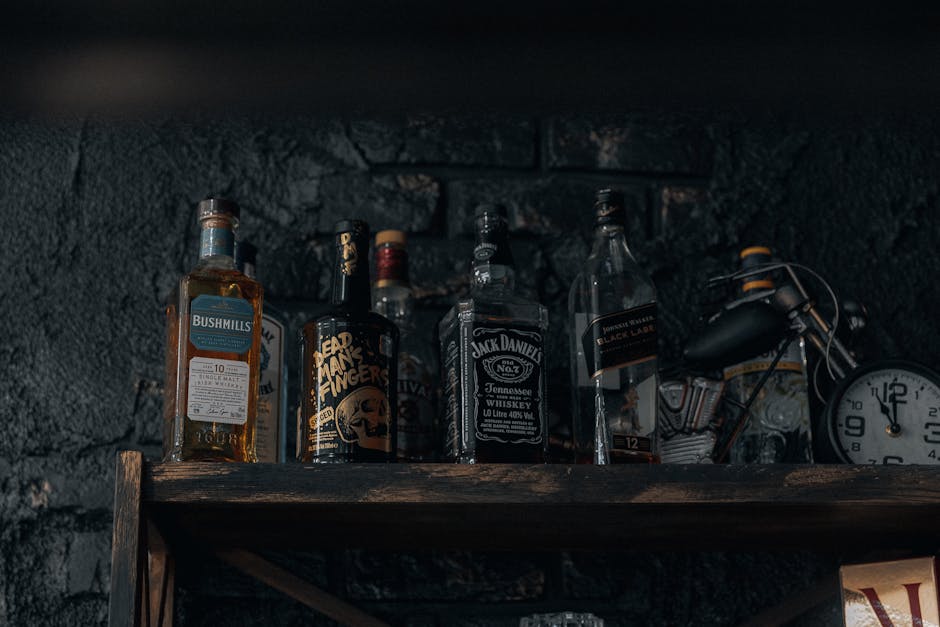
Here’s where a lot of beginners get tripped up — bourbon isn’t just “American whiskey.” It has a very specific legal definition, and understanding it is your first superpower as a newcomer to this world. Under U.S. federal law, bourbon must meet these requirements:
- Made in the USA — Yes, it can be made outside of Kentucky (surprise!), but it must be produced within the United States.
- Grain mash of at least 51% corn — That corn-forward sweetness you’ll taste? This is why.
- Distilled to no more than 160 proof (80% ABV) — Keeping the flavor character intact.
- Aged in new, charred oak containers — Those smoky, vanilla, and caramel notes come from this step. No reused barrels allowed.
- Entered into the barrel at no more than 125 proof (62.5% ABV)
- Bottled at a minimum of 80 proof (40% ABV)
- No added coloring, flavoring, or additives — What you taste is what nature (and the distiller) made.
Notice there’s no minimum aging requirement for standard bourbon — though “Straight Bourbon” must be aged at least two years, and anything under four years must display the age on the label. Think of these rules as your bourbon decoder ring.
The Flavor Map: What Are You Actually Tasting?
One of the most exciting parts of getting into bourbon in 2026 is that the flavor conversation has become so much more accessible. The industry has shifted toward consumer education, with distilleries openly publishing their mash bills (the grain recipes) and tasting notes in plain language. Let’s break down the core flavor profiles you’ll encounter:
- Caramel & Vanilla — The most common notes, driven by the new charred oak aging process. Almost every bourbon will have some of this.
- Corn Sweetness — A natural honeyed, almost buttery quality from that dominant corn percentage.
- Spice (Rye-forward) — Bourbons with a higher rye content in their mash bill (called “high-rye” bourbons) will have a peppery, spicy kick. Think Four Roses Single Barrel or Bulleit.
- Wheat Softness — “Wheated” bourbons swap rye for wheat as the secondary grain, giving a softer, rounder, sweeter character. Maker’s Mark and Weller are classic examples.
- Oak & Smoke — Longer-aged bourbons (10+ years) pick up more tannins and a deeper woodsy, sometimes smoky depth.
- Fruit Notes — Cherry, apricot, dried fig — these emerge especially in well-aged or single barrel expressions.
Data Point: The Bourbon Market in 2026
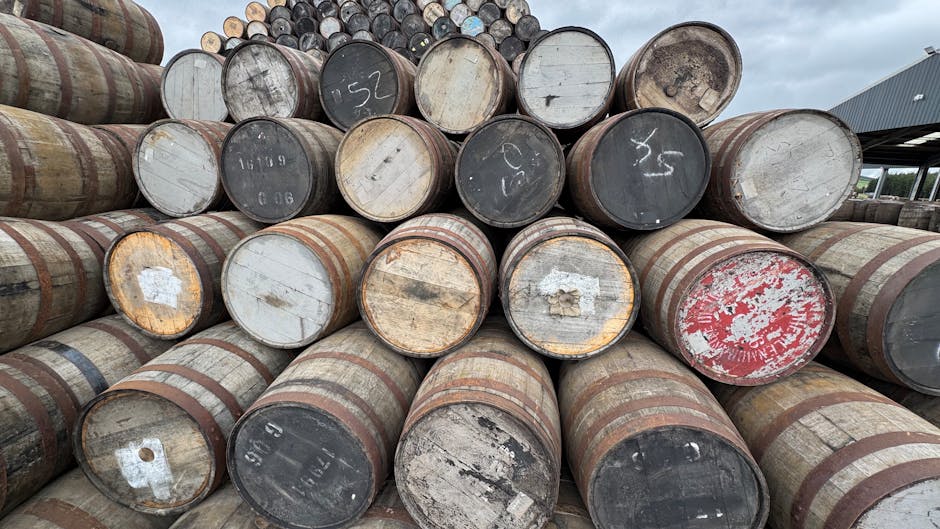
Here’s something that puts the current moment in perspective: the American whiskey category has seen remarkable resilience and growth heading into 2026. Kentucky alone reported over 12 million bourbon barrels aging as of late 2025 — the highest number recorded in nearly a century. Globally, export markets in Asia (particularly Japan and South Korea) and Western Europe have expanded significantly, with new craft distilleries opening across states like Texas, Colorado, and New York. This means that as a beginner in 2026, you have more choices than ever — which is both exciting and potentially overwhelming. The good news? More competition means better quality at more accessible price points.
Real-World Examples: Where to Start Your Journey
Let’s get concrete. Here are some globally recognized entry points that are widely available and genuinely beginner-friendly:
🇺🇸 Buffalo Trace (Buffalo Trace Distillery, Kentucky)
Often cited as the perfect introductory bourbon. It’s approachable, affordable (typically under $35), and delivers classic caramel, vanilla, and a gentle spice finish. Buffalo Trace Distillery itself is a National Historic Landmark — one of the oldest continually operating distilleries in the U.S.
🇺🇸 Maker’s Mark (Loretto, Kentucky)
A wheated bourbon with a famously smooth, approachable profile. The red wax-dipped bottle is iconic. If you find rye-spiced bourbons a bit harsh at first, Maker’s is a gentle, sweet entry point. Available practically worldwide in 2026.
🇺🇸 Evan Williams Black Label
Heaven Hill’s workhorse bourbon is criminally underrated. At under $20 in most U.S. markets, it punches well above its price class. A fantastic choice for bourbon cocktails like an Old Fashioned or Whiskey Sour when you’re just getting started.
🇺🇸 Four Roses Small Batch
A slightly more elevated pick (around $35-$45), this one showcases a beautiful floral and fruity complexity. Four Roses uses a unique system of 10 different bourbon recipes, and the Small Batch blend showcases their diversity beautifully.
🌏 International Availability Note: In markets like South Korea, Japan, and across Europe, brands like Wild Turkey, Jim Beam Black, and Woodford Reserve have become highly accessible through specialty liquor retailers and dedicated whiskey bars. In Seoul’s Itaewon and Mapo districts, bourbon-focused bars have proliferated, often hosting tasting flights that are ideal for beginners. Tokyo’s whiskey bar scene similarly offers curated bourbon selections alongside Japanese whisky — a perfect comparative tasting experience.
How to Actually Taste Bourbon (Without Pretending)
You don’t need a sommelier certificate to taste bourbon meaningfully. Here’s a simple, honest framework:
- Neat first — Try it at room temperature with no ice or water initially. Just a small pour.
- Nose it gently — Don’t shove your nose into the glass. Hover over it and breathe naturally. What do you smell first?
- Take a small sip and let it coat your mouth — Where do you feel the warmth? Front of the tongue? Back of the throat?
- Add a few drops of water — This “opens up” the whiskey, releasing more aromatic compounds. Even professionals do this.
- Pay attention to the finish — How long does the flavor linger after you swallow? A long, warm finish usually indicates quality aging.
Realistic Alternatives Based on Your Situation
Not everyone is ready to commit to a full bottle. Here’s how to approach bourbon based on where you are:
- If you’re budget-conscious: Start with cocktails. A well-made Whiskey Sour (bourbon, lemon juice, simple syrup) using Evan Williams or Early Times lets you experience bourbon character without the full intensity of sipping neat.
- If you’re sensitive to alcohol heat: Go wheated (Maker’s Mark, Larceny, W.L. Weller Special Reserve). Lower rye content = smoother, less aggressive heat.
- If you love Scotch whisky already: Try a longer-aged bourbon (8-10+ years) like Knob Creek 9 Year or Russell’s Reserve 10 Year. The deeper oak and complexity will feel familiar.
- If you’re in a region with limited selection: Woodford Reserve and Maker’s Mark are practically global at this point. Jim Beam White Label is the world’s best-selling bourbon for a reason — it’s everywhere and reliably decent.
- If you want a guided experience: In 2026, virtual distillery tours and curated bourbon subscription boxes (like those from Flaviar or Caskers) have become excellent low-commitment ways to sample across styles before committing to full bottles.
One Thing to Remember Above All Else
The bourbon world has no shortage of gatekeeping — people who’ll tell you that you’re “not doing it right” if you add ice or mix it into a cocktail. Let me be direct: ignore that noise entirely. The entire point of bourbon is enjoyment. Drink it the way you genuinely like it. Your palate will naturally evolve and refine over time as you explore more expressions. The goal in 2026 isn’t to perform expertise — it’s to find what genuinely excites your taste buds.
Start curious, stay open, and take notes (even voice memos on your phone work great). Your bourbon journey is just beginning, and honestly? It’s one of the most delicious journeys you can take.
Editor’s Comment : The best thing about diving into bourbon in 2026 is that the category has never been more beginner-friendly — with accessible price points, abundant online resources, and a global community of enthusiasts who genuinely love sharing knowledge. Don’t overthink it. Grab a bottle of Buffalo Trace or Maker’s Mark this weekend, make yourself an Old Fashioned, and simply pay attention to what you taste. That single act of mindful tasting will teach you more than any guide ever could. Cheers — and welcome to the barrel.
태그: [‘bourbon whiskey beginner guide 2026’, ‘how to drink bourbon’, ‘best bourbon for beginners’, ‘bourbon flavor profiles’, ‘american whiskey guide’, ‘bourbon tasting tips’, ‘bourbon recommendations 2026’]
Leave a Reply