Let me take you back to a moment I still think about — a rainy Thursday evening in Dublin, sitting in a dimly lit pub, when a bartender slid a glass of Jameson across the bar and said, “Start here, and the rest will make sense.” That single sip opened a door I never wanted to close. If you’re just stepping into the world of Irish whiskey, I want to be that bartender for you today.
Irish whiskey has seen a remarkable renaissance in the 2020s. According to the Irish Whiskey Association’s 2026 market report, global Irish whiskey shipments have grown by over 300% in the past decade, making it one of the fastest-growing spirits categories worldwide. And yet, for beginners, the shelves can feel genuinely overwhelming. Let’s reason through this together — step by step.
What Makes Irish Whiskey Different from Scotch or Bourbon?
Before we dive into recommendations, this context is genuinely useful. Irish whiskey is defined by three key characteristics that set it apart:
- Triple distillation: Most Irish whiskeys are distilled three times (versus twice for Scotch), which produces a notably smoother, lighter spirit — ideal for beginners who may find Scotch peaty or harsh.
- Unpeated malt: Irish whiskey almost never uses peat smoke in the malting process, so you won’t get that campfire intensity that Scotch lovers either adore or find polarizing.
- Pot still character: Unique to Ireland, single pot still whiskey uses a mash of both malted and unmalted barley, creating a creamy, spicy, and slightly oily texture that’s completely distinct from anything else in the whiskey world.
For a beginner, this profile — smooth, approachable, lightly fruity — is genuinely the most forgiving entry point into whiskey culture.
The 2026 Beginner’s Shortlist: Bottles Worth Starting With
Let’s be practical here. I’m not listing everything — I’m curating what actually makes sense for someone new to Irish whiskey, balancing accessibility, price, and flavor clarity.
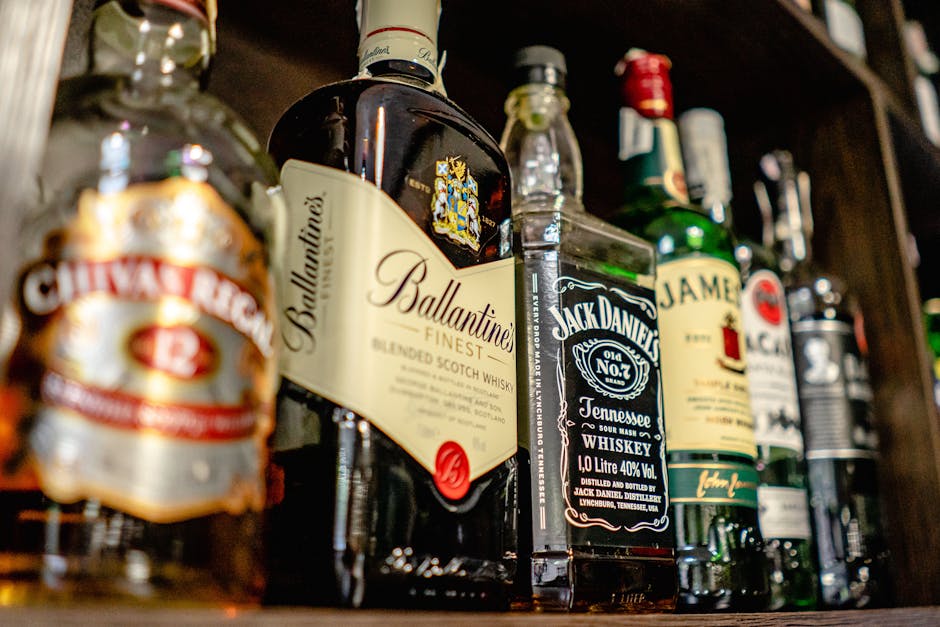
- Jameson Original (~$30 USD): The global benchmark for a reason. Triple-distilled, blended from pot still and grain whiskeys, aged in a combination of bourbon and sherry casks. Expect notes of vanilla, toasted wood, and a gentle nuttiness. This is your “baseline” bottle — once you know Jameson, every other Irish whiskey becomes easier to describe.
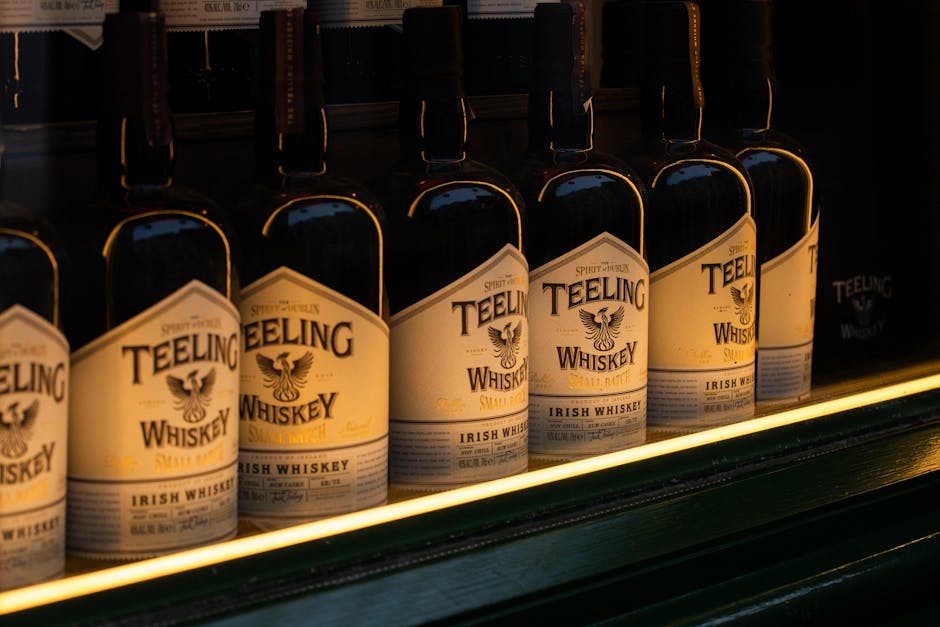
- Teeling Small Batch (~$38 USD): Dublin’s most exciting modern distillery, re-opened in 2015 and now fully hitting its stride in 2026. Finished in rum casks, Teeling offers a sweeter, tropical-leaning profile that surprises people who assume whiskey must be dry or austere. Great for those who enjoy rum or sweeter cocktails.
- Redbreast 12-Year-Old (~$65 USD): If you’re willing to invest a little more, this is the gold standard of single pot still Irish whiskey. Rich with dried fruit, Christmas spice, and a creamy mouthfeel that feels almost luxurious. Many whiskey enthusiasts consider this the bottle that made them “serious” about the category.
- Tullamore D.E.W. Original (~$28 USD): A triple-blend (grain, malt, and pot still) that is arguably even softer and more floral than Jameson. Excellent if you find standard whiskeys a touch too sharp on the finish.
- Writers’ Tears Copper Pot (~$45 USD): A beautiful blend of single malt and single pot still, this bottle leans into honey, green apple, and a subtle spice that feels very “Irish countryside” in the best possible way. It’s gaining serious traction in 2026 as a sommelier-recommended pour.
How to Actually Drink It: A Beginner’s Framework
Here’s where I want to push back gently against whiskey snobbery. There is no single correct way to enjoy Irish whiskey, but there are some approaches that help beginners taste more clearly:
- Neat first: Try one small sip without anything added. This tells you the spirit’s true character.
- Then add a few drops of water: Counterintuitively, a tiny splash of still water (not ice) can open up aroma compounds and make the flavors more expressive — especially with higher-proof bottles.
- On the rocks second: Chilling with ice suppresses some of the more volatile aromatics, so it’s actually a slightly more muted experience. But it’s also perfectly pleasant, especially in warmer months.
- Cocktail experimentation: An Irish Coffee, a Whiskey Sour with Jameson, or even a simple highball (whiskey + sparkling water + orange slice) are all genuinely delicious ways to enjoy the category.
Real-World Context: Where People Are Starting in 2026
Globally, the beginner Irish whiskey drinker in 2026 is typically coming from one of three backgrounds: craft beer culture (curious about flavor complexity), wine drinking (drawn to the aged-barrel story), or cocktail culture (looking for a spirit that plays nicely with mixers). Each of these entry points actually maps well to different bottles.
In the United States, Total Wine & More reported in early 2026 that Teeling and Redbreast saw the sharpest year-over-year growth among new whiskey buyers — suggesting that drinkers are increasingly willing to move beyond the Jameson default. In South Korea and Japan, Irish whiskey is experiencing particularly sharp growth among younger consumers (ages 25–35) who associate it with authenticity and craft heritage rather than the “old man’s drink” perception that historically dogged the category.
Domestically within Ireland, the craft distillery movement continues to expand — brands like Waterford Distillery (with its terroir-focused single malts) and Dingle Distillery are producing limited releases that even casual drinkers are now seeking out as collectible experiences.
Realistic Alternatives If Budget Is a Factor
Let’s be honest — not everyone wants to spend $65 on a bottle they’re not sure they’ll enjoy. That’s completely fair thinking. Here’s how I’d approach it:
- If you’re genuinely uncertain, order a pour at a bar first before buying a full bottle. A $10 glass of Redbreast 12 at a good cocktail bar is smarter than a $65 bottle you might not finish.
- Jameson at $30 remains the single safest beginner investment — widely available, consistently produced, and extremely versatile in cocktails if you don’t end up loving it neat.
- Some Total Wine and Costco locations in 2026 are carrying 200ml “explorer” sizes of Teeling and Tullamore D.E.W. — these are perfect beginner samplers at low risk.
- If a friend already drinks whiskey, ask them to let you taste before committing to a bottle. The Irish whiskey community is genuinely welcoming — I’ve never met an enthusiast who said no to sharing a glass.
The broader point is this: there’s no shame in a cautious, budget-conscious entry. The goal is to find one bottle that makes you curious about the next one — that’s the whole journey.
Irish whiskey rewards patience and curiosity in equal measure. You don’t need to memorize distilleries or memorize tasting notes. You just need one good bottle and a willingness to pay attention to what your palate is telling you.
Editor’s Comment : If I could only give one piece of advice to a beginner standing in a whiskey aisle for the first time in 2026, it would be this: buy Jameson, drink it slowly at room temperature with a single drop of water, and write down three words that come to mind. Those three words will become your personal flavor compass — and from there, every Irish whiskey recommendation you receive will start to make intuitive sense. The category is deep, but the door is genuinely wide open.
태그: [‘Irish whiskey for beginners’, ‘best Irish whiskey 2026’, ‘Irish whiskey guide’, ‘Jameson whiskey review’, ‘Redbreast 12 year’, ‘whiskey tasting tips’, ‘Irish whiskey recommendations’]
Leave a Reply