Picture this: it’s a rainy Thursday evening in Dublin, and a line stretches out the door of a newly opened craft distillery on the banks of the Liffey. Inside, a young couple from Tokyo is sharing a flight of single pot still expressions with a retired farmer from County Cork — neither speaks the other’s language, but they’re nodding enthusiastically over the same glass. That scene, unthinkable just fifteen years ago when Irish whiskey was considered the underdog of the spirits world, is now playing out in cities from Seoul to São Paulo.
So what’s fueling this extraordinary comeback? Let’s think through it together, because the Irish whiskey renaissance of 2026 is far more nuanced — and exciting — than just a marketing story.
The Numbers Don’t Lie: Irish Whiskey’s Explosive Growth Trajectory
To understand the scale of what’s happening, we need to look at the data with clear eyes. According to the Irish Whiskey Association’s 2026 market report, global Irish whiskey exports have surpassed €1.2 billion annually, with volume sales growing at approximately 9–11% year-over-year for the third consecutive year. Compare that to Scotch whisky, which is growing at roughly 4–5%, and you start to see why investors and enthusiasts alike are paying close attention.
Here’s a breakdown of what’s driving those numbers:
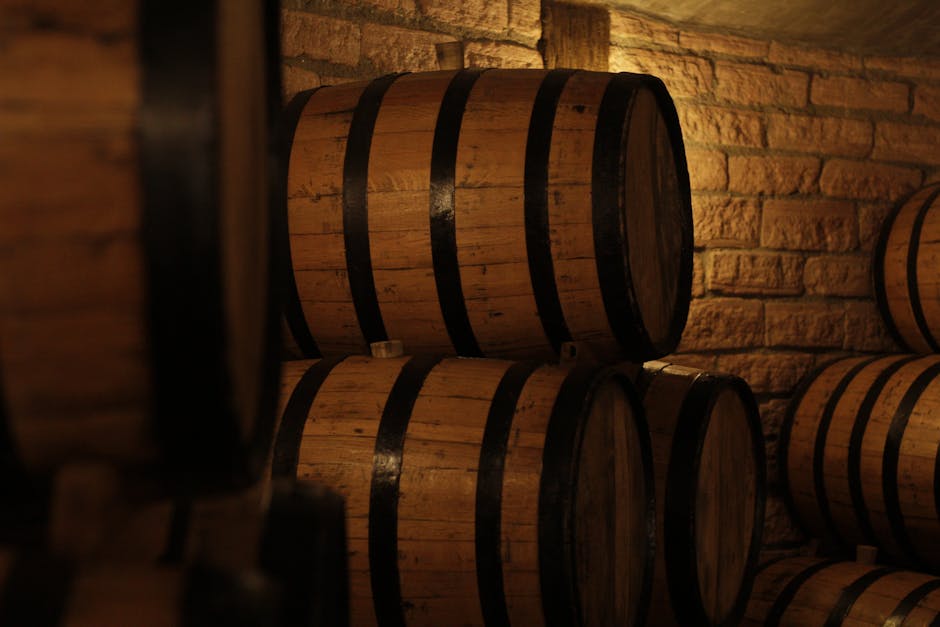
- Distillery count explosion: Ireland now boasts over 42 operational distilleries as of early 2026, up from just four in 2010. That’s a tenfold increase in roughly 15 years — a pace virtually unmatched in the spirits industry.
- Premium and super-premium segment surge: Bottles priced above €80 now account for nearly 28% of total Irish whiskey revenue, signaling a clear shift away from the category’s old “easy-drinking budget option” perception.
- Asian market penetration: South Korea, Japan, and China collectively represent the fastest-growing regional bloc, with Korean whiskey bar culture in particular driving a 34% year-on-year volume increase in the Seoul metropolitan area alone.
- United States resilience: Despite broader spirits market headwinds in the US, Irish whiskey has maintained positive growth, largely on the back of cocktail culture and the enduring dominance of brands like Jameson, which commands nearly 30% of the total category volume.
- Female consumer demographic shift: Industry research shows that women now represent approximately 41% of Irish whiskey consumers globally in 2026, a sharp jump from under 25% a decade ago, driven partly by lighter, more approachable flavor profiles.
What’s Actually Different About Irish Whiskey — And Why It Matters Now
Let’s be honest: not everyone immediately understands what sets Irish whiskey apart. If you’re newer to the whiskey world, here’s the quick, logical breakdown. Irish whiskey is typically triple-distilled (meaning it passes through the still three times versus Scotch’s usual two), which results in a noticeably smoother, lighter spirit. The defining style — Single Pot Still — uses a mash of both malted and unmalted barley, producing a distinctively creamy, spicy, and fruity character you simply won’t find anywhere else.
In 2026, master distillers are leveraging this heritage while aggressively innovating. We’re seeing:
- Experimental cask finishes using Japanese mizunara oak, Oloroso sherry butts, and even Irish craft beer barrels
- Age-statement releases from distilleries whose whiskey is only now reaching maturity after being laid down in the mid-2010s expansion wave
- Terroir-driven expressions emphasizing locally grown Irish barley varieties — think of it as the “craft beer meets fine wine” philosophy applied to whiskey
- Non-chill filtered and natural color bottlings becoming mainstream rather than niche
Global Examples: Who’s Setting the Pace in 2026?
It’s worth zooming in on specific players to understand how diverse and dynamic this space has become.
Established giants evolving: Midleton Distillery in County Cork — home of Jameson, Redbreast, and Powers — launched its ambitious “Distiller’s Anatomy” series in late 2025, a limited release line exploring micro-distillation variables. Bottles sold out within hours on secondary markets. Meanwhile, Bushmills, the world’s oldest licensed distillery, unveiled a 30-year-old single malt in February 2026 that drew comparisons to some of Scotland’s most revered Speysides — high praise indeed.
The new wave making noise: Connacht Whiskey Company in County Mayo is earning critical acclaim for its maritime-influenced expressions, while Waterford Distillery continues to push the boundaries of provenance-based whiskey, releasing farm-by-farm single-origin bottles that read almost like wine labels. Their 2026 “Arcadian” series has been particularly well received by the premium on-trade (that’s industry speak for high-end bars and restaurants).
International crossover moments: In South Korea, the bar group Zest Collective in Seoul recently curated an eight-week Irish whiskey residency that became a cultural phenomenon, blending Irish traditional music evenings with structured tasting flights. In the United States, Nashville and Austin have emerged as surprising hotbeds of Irish whiskey appreciation, driven by a crossover audience of bourbon drinkers curious about smoother alternatives.
Challenges Worth Acknowledging Honestly
No good analysis is complete without a reality check. The Irish whiskey revival faces some genuine headwinds worth thinking about:
- Supply constraints: With distilleries that only started producing in 2015–2018, many are still waiting for their spirit to reach the age statements consumers expect. Demand is, in places, outrunning supply.
- Consumer education gap: Outside of enthusiast circles, many consumers still perceive Irish whiskey as simply “cheaper Scotch” — a misconception the industry is actively working to correct but hasn’t fully overcome.
- Category congestion: With 42+ distilleries now operating, shelf space and distributor attention are becoming battlegrounds. Smaller craft producers face real challenges breaking through in crowded markets.
- Sustainability scrutiny: Like all spirits, Irish whiskey is under increasing pressure to demonstrate environmental credentials — water usage, energy consumption, and packaging waste are all areas consumers and regulators are watching closely in 2026.
Realistic Alternatives: How to Engage with the Irish Whiskey Renaissance at Every Level
Whether you’re a casual drinker, a growing enthusiast, or a hospitality professional, here’s how to genuinely participate in this moment — without breaking the bank or feeling overwhelmed:
- If you’re just starting out: Begin with Redbreast 12 Year (a benchmark single pot still at a reasonable price point) or Teeling Small Batch for something approachable and slightly sweeter. Both are widely available and give you an authentic foundation.
- If you’re an intermediate enthusiast: Explore the Dingle Single Malt or Green Spot Château Léoville Barton finish — these will stretch your palate and introduce you to cask-influence complexity without requiring a second mortgage.
- If you’re a hospitality or retail professional: Consider hosting a comparative Irish vs. Scotch tasting flight — the contrast is educational and commercially effective. Pairing Irish whiskey with Irish farmhouse cheeses or dark chocolate is a proven crowd-pleaser at events.
- If you’re a serious collector: Watch the secondary market for early releases from newer distilleries like Lough Ree or Clonakilty, whose limited initial runs are already appreciating in value. Early adoption here mirrors what happened with craft Scotch independents in the 2010s.
- If budget is a concern: Don’t overlook Powers Gold Label or Jameson Black Barrel — these are genuinely well-crafted whiskeys at accessible prices, and understanding them deeply is more valuable than chasing expensive bottles blindly.
The key insight here is that the Irish whiskey renaissance isn’t a trend you need expensive entry tickets to enjoy. It’s a category rich enough to reward curiosity at every price point — and that accessibility is arguably its greatest competitive strength.
Editor’s Comment : What strikes me most about Irish whiskey’s 2026 moment isn’t the sales figures or the distillery count — it’s the quality of conversation happening around the category. People are talking about terroir, heritage grain varieties, and barrel provenance in the same breath as they would fine wine. That’s not marketing spin; that’s genuine cultural elevation. The green isle’s liquid legacy has spent decades in the shadow of Scotch and bourbon, but in 2026, Irish whiskey isn’t playing catch-up anymore — it’s setting its own terms. If you haven’t revisited this category recently, now is genuinely the best time in history to do so.
태그: [‘Irish whiskey 2026’, ‘Irish whiskey renaissance’, ‘whiskey trends 2026’, ‘single pot still whiskey’, ‘craft distillery Ireland’, ‘premium whiskey market’, ‘Irish whiskey guide’]
Leave a Reply