Picture this: it’s a rainy Tuesday evening, and you’re sitting across from three strangers — a Korean grandmother nursing a small glass of andong soju, a Japanese craftsman savoring a smoky imo shochu, and a Scottish distiller quietly swirling a dram of 18-year single malt. All three are drinking spirits distilled from the earth, shaped by centuries of tradition. But their rituals, philosophies, and even the reasons they drink couldn’t be more different.
In 2026, the global craft spirits market has ballooned past $28 billion USD, and the renewed fascination with traditional distillation isn’t just a trend — it’s a cultural reckoning. Let’s sit down together and think through what makes these three traditions so distinct, so deeply human, and surprisingly interconnected.
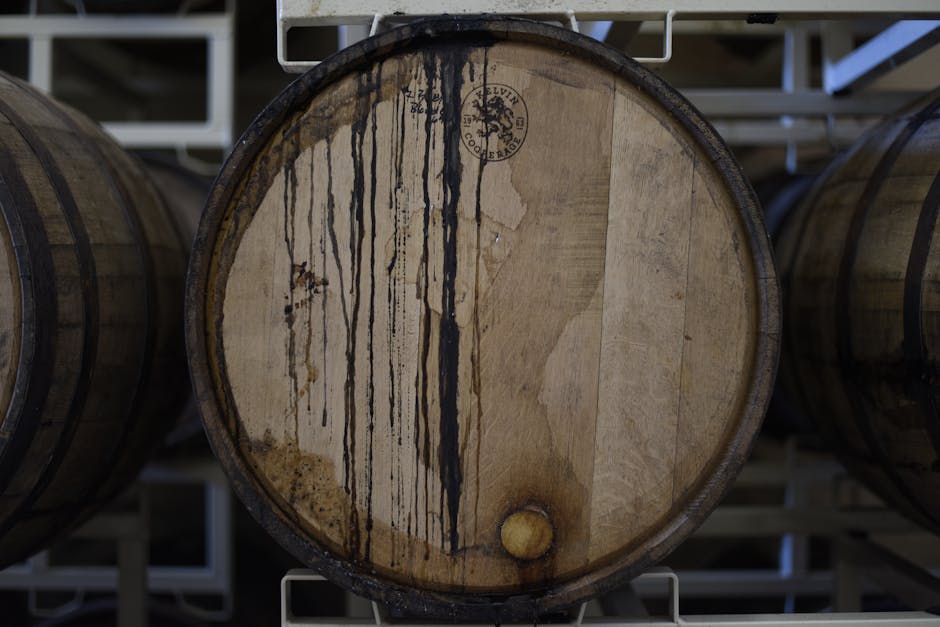
🇰🇷 Korea: Soju and the Art of Communal Drinking
Korean jeontong soju (전통 증류주) isn’t the convenience-store green-bottle stuff most people know globally. Traditional distilled soju — particularly Andong Soju and Munbaeju — dates back to the Goryeo Dynasty (918–1392), when Mongol invaders introduced Arabian-style distillation techniques. These spirits are typically distilled from grains like rice, barley, or sorghum, hitting alcohol levels between 40–45% ABV.
What’s fascinating from a cultural standpoint is that Korean drinking culture is fundamentally collective. The concept of jeong (정) — a deeply untranslatable emotional bond — permeates every pour. You never fill your own glass; someone else does it for you. Age and hierarchy shape who pours for whom, and turning away a drink can genuinely feel like a social rupture.
- Key spirit: Andong Soju (안동소주) — government-designated intangible cultural heritage since 1987
- Base ingredients: Rice, nuruk (fermentation starter), water from Andong region
- ABV range: 35–45% (traditional craft varieties)
- Cultural ritual: Two-handed pouring, elder-first serving order, geonbae (건배) toasts
- 2026 trend: Seoul’s craft soju bars are pairing heritage spirits with modern Korean cuisine, drawing international sommeliers
🇯🇵 Japan: Shochu and the Philosophy of Quiet Complexity
Japan’s honkaku shochu (本格焼酎) operates on a completely different emotional frequency. Where Korean soju culture is warm and boisterous, shochu culture is quieter, more introspective — almost meditative. Distilled primarily in Kyushu (Kagoshima, Miyazaki, Oita), shochu uses an extraordinary range of base ingredients: sweet potato (imo), barley (mugi), buckwheat (soba), and even chestnut or sesame.
The single distillation rule for honkaku shochu is particularly important — unlike whisky which is double or triple distilled, shochu’s single-pass distillation preserves the raw material’s character more faithfully. This is a deliberate philosophical choice. Japanese aesthetics value imperfection and rawness (think wabi-sabi), and that ethos shows up directly in the glass.
In 2026, the global shochu market has been quietly growing at roughly 6.3% CAGR, especially in Southeast Asia and among Western bartenders who discovered its incredible cocktail versatility. The Kirishima Distillery in Kagoshima, for instance, now exports to over 40 countries — a number that has nearly doubled since 2022.
- Key spirit: Iichiko Silhouette (mugi shochu) — the gateway bottle for international fans
- Base ingredients: Sweet potato, barley, rice, buckwheat (varies by region)
- ABV range: 25–35%
- Cultural ritual: Drinking oyuwari (with hot water) in winter, mizuwari (with cold water) in summer — temperature signals the season
- 2026 trend: Tokyo izakayas now offer “shochu flight” menus similar to whisky tastings, attracting younger drinkers aged 25–35
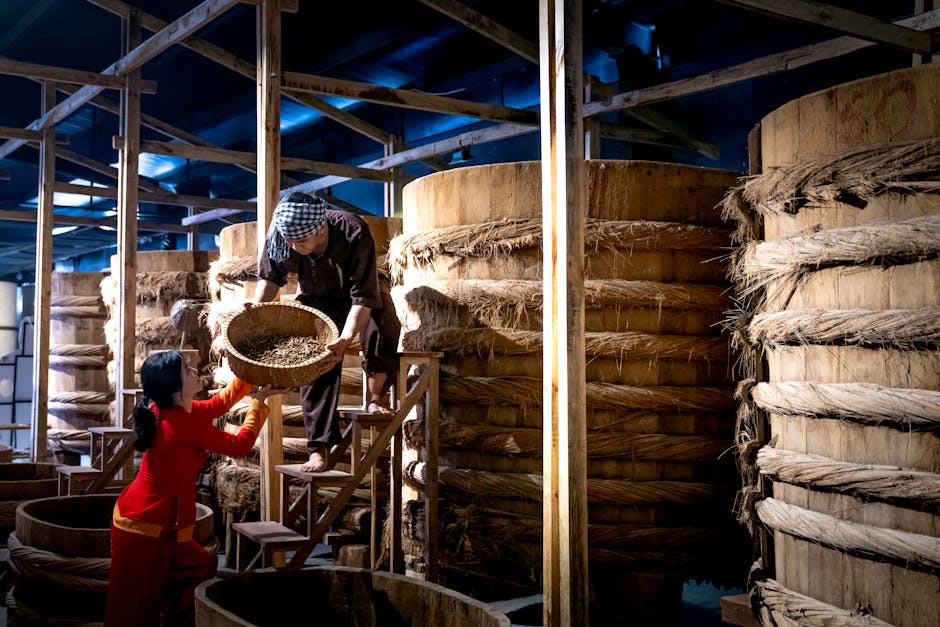
🏴 Scotland: Whisky and the Identity of a Nation
Scottish whisky (always spelled without the ‘e’, unless you’re American or Irish — a surprisingly passionate debate) is arguably the most globally codified traditional spirit in existence. The Scotch Whisky Regulations 2009 legally define five categories, minimum aging requirements (3 years in oak), and geographic indications. This isn’t bureaucracy for its own sake — it’s a 500-year-old culture protecting itself.
What separates Scotch is the weight of terroir — a French wine term that Scots have thoroughly claimed. Islay malts carry the peaty smoke of coastal bogs. Speyside whiskies are fruity and approachable from centuries of cold river water and copper pot stills. Highland distilleries like Glenfarclas or Dalmore express something almost rugged and geological.
In 2026, Scotland hosts over 140 active distilleries (a record high), and whisky tourism contributes approximately £900 million annually to the Scottish economy. The trend toward non-age-statement (NAS) whisky — releasing bottles based on flavor profile rather than years aged — reflects a fascinating tension between tradition and modern market demands.
- Key spirit: Glenfiddich 18-Year Single Malt — the perennial ambassador for Speyside style
- Base ingredients: Malted barley, water, yeast (legally only these three for malt whisky)
- ABV range: Minimum 40% at bottling; cask strength can reach 60%+
- Cultural ritual: The dram culture — a small, deliberate pour shared among equals regardless of age or status (a notable contrast to Korea)
- 2026 trend: Climate change is forcing Scottish distilleries to experiment with alternative grains and earlier harvest barley, subtly shifting flavor profiles
What Connects These Three Traditions? More Than You’d Think
When you lay these three cultures side by side, some genuinely surprising parallels emerge:
- All three use fermentation starters unique to their region — Korean nuruk, Japanese koji mold, and Scottish malted barley represent distinct but parallel biotechnological traditions developed independently over centuries.
- Geography is flavor — Andong’s clean mountain water, Kagoshima’s volcanic soil for sweet potatoes, and Islay’s peat bogs all argue the same thing: place matters more than technique.
- All three face modernization pressure — mass production threatens authenticity in all three cultures. Korea’s industrial soju (diluted ethanol, not distilled) now dominates 97% of the Korean spirits market, nearly drowning out heritage producers.
- Revival movements are underway in all three — South Korea’s gaju* (가주) craft movement, Japan’s shochu craft renaissance, and Scotland’s micro-distillery boom are all driven by younger consumers in their 20s and 30s seeking authenticity.
Realistic Alternatives: How to Explore These Traditions Without a Plane Ticket
Not everyone can visit Andong, Kagoshima, or Speyside this weekend — and honestly, you don’t need to. Here’s how to meaningfully engage with each tradition from where you are:
- For Korean tradition: Seek out Andong Soju or Hwayo 41 through Asian specialty importers. Pair with jeon (Korean pancakes) and practice pouring for someone else first — even at home, the ritual matters.
- For Japanese tradition: Start with Iichiko Silhouette or Satsuma Shiranami (imo shochu). Try it oyuwari-style (1:1 with hot water, 50°C) — it completely transforms the spirit’s aroma and reveals flavors cold water masks.
- For Scottish tradition: Rather than jumping to peaty Islay expressions, begin with a Speyside like Glenfiddich 12 or Aberlour 12. Add a few drops of still water — it “opens” the whisky by breaking the surface tension and releasing aromatic compounds.
- Cross-cultural experiment: Host a blind tasting of all three at similar ABV levels. You’ll discover that your flavor preferences often reveal surprising things about your cultural wiring.
The deeper you go into any one of these traditions, the more you realize you’re not just learning about a drink — you’re learning about how a culture processes time, community, and the land it comes from. And that, honestly, is worth savoring slowly.
Editor’s Comment : What strikes me most after exploring these three traditions in depth is how each spirit functions as a kind of cultural mirror. Korean soju reflects a society built on relational reciprocity. Japanese shochu embodies a philosophical patience — let the ingredient speak. And Scotch whisky carries the weight of national identity in every barrel. In 2026, as globalization continues to flatten so many cultural distinctions, these distilled traditions are quietly pushing back — one carefully crafted dram at a time. If you ever get the chance to sit with a master distiller from any of these traditions, don’t ask them about process. Ask them what they taste when they close their eyes. The answer will tell you everything.
태그: [‘traditional distilled spirits’, ‘Korean soju culture’, ‘Japanese shochu’, ‘Scotch whisky’, ‘craft spirits 2026’, ‘global spirits comparison’, ‘distillery culture’]
Leave a Reply