A few months ago, a friend of mine — let’s call him Marcus — walked into a whisky bar in Edinburgh, pointed at the most expensive bottle on the shelf, and said, “I’ll have that.” The bartender raised an eyebrow and asked, “Do you like peaty or fruity?” Marcus stared blankly. He spent about $45 on a dram he didn’t enjoy, not because the whisky was bad, but because nobody had ever sat him down and explained the basics. That experience is more common than you’d think — and it’s exactly why I wanted to write this guide.
Single malt whisky can feel intimidating at first. The vocabulary alone — terroir, cask maturation, phenol parts per million — sounds like a chemistry lecture. But here’s the thing: once you understand a few core concepts, the whole world of single malt opens up beautifully. So let’s think through this together, step by step.
What Exactly Is Single Malt Whisky?
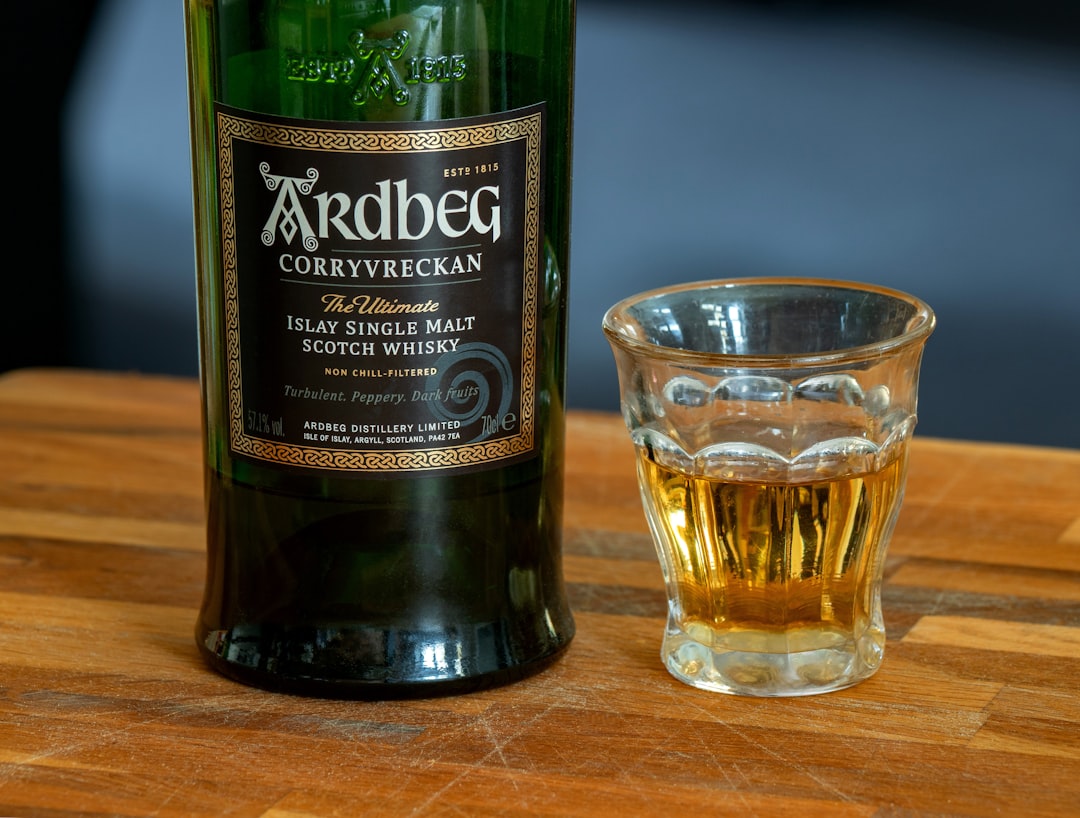
Let’s get the fundamentals right first. “Single malt” doesn’t mean the whisky comes from a single barrel — it means it comes from a single distillery, made using 100% malted barley, and distilled in pot stills. This distinguishes it from blended Scotch (which mixes whiskies from multiple distilleries) and grain whisky (which uses other grains like wheat or corn).
In 2026, the global single malt Scotch whisky market is valued at approximately $8.7 billion USD, with a compound annual growth rate holding steady around 6.2% — driven largely by growing enthusiasm in Asian markets (particularly South Korea, Japan, and Taiwan) and a resurgent craft movement in the United States. This isn’t just a niche hobby anymore; it’s a thriving, global conversation.
The Five Major Scotch Whisky Regions (And What They Actually Taste Like)
Scotland is the spiritual home of single malt, and the country is divided into five recognized whisky-producing regions. Each region tends to produce whiskies with distinct flavor profiles — though keep in mind these are tendencies, not rules.
- Speyside: The most densely packed region in the world for distilleries. Think fruity, honeyed, and often sherry-influenced. Iconic names here include Glenfarclas, The Macallan, and Glenfiddich. Perfect starting point for most beginners because of its approachable sweetness.
- Highlands: A huge, diverse region. Flavors range from light and floral (like Glenmorangie) to rich and malty (like Dalmore). If Speyside is the gateway, Highlands is the vast countryside you explore next.
- Islay (pronounced “Eye-luh”): Famous for intensely peated, smoky, medicinal whiskies. Laphroaig, Ardbeg, and Lagavulin are legends here. This is NOT where beginners should start — but it’s often where people eventually fall in love most deeply.
- Lowlands: Typically lighter, triple-distilled, and gentle. Auchentoshan is the go-to name. Think of this as the “session whisky” of Scotland — easy-drinking and food-friendly.
- Campbeltown: A tiny region with only three active distilleries. Known for a briny, slightly oily character. Springbank is the cult favorite here and is notoriously hard to get hold of in 2026.
Beyond Scotland: Japan, Ireland, and the New Wave
While Scotch rightfully dominates the conversation, 2026 is an exciting time to explore single malts from other countries — and the quality has genuinely caught up.
Japanese Single Malt: Distilleries like Nikka (Yoichi and Miyagikyo), Suntory’s Yamazaki, and the newer Akkeshi distillery in Hokkaido are producing whiskies that routinely score 90+ points from major critics. Japanese whisky traditionally emphasizes balance, delicacy, and meticulous craftsmanship. The scarcity issue that plagued Japanese whisky throughout the 2010s has eased slightly as newer distilleries came online — though premium expressions are still competitive.
Irish Single Malt: Technically separate from Scotch in production rules, Irish single malts like Teeling, Dingle, and the resurrected Waterford (which obsessively tracks terroir through single-farm barley sourcing) are turning heads globally. Waterford in particular has become a darling among whisky geeks who care about provenance.
American & Craft Single Malts: Distilleries like Westland (Seattle), Balcones (Texas), and Lost Spirits (California) are redefining what American single malt can be. The American Single Malt Whiskey Commission finalized formal legal standards in 2024, giving the category legitimacy — and the momentum hasn’t stopped since.
How to Actually Taste Whisky Like You Know What You’re Doing
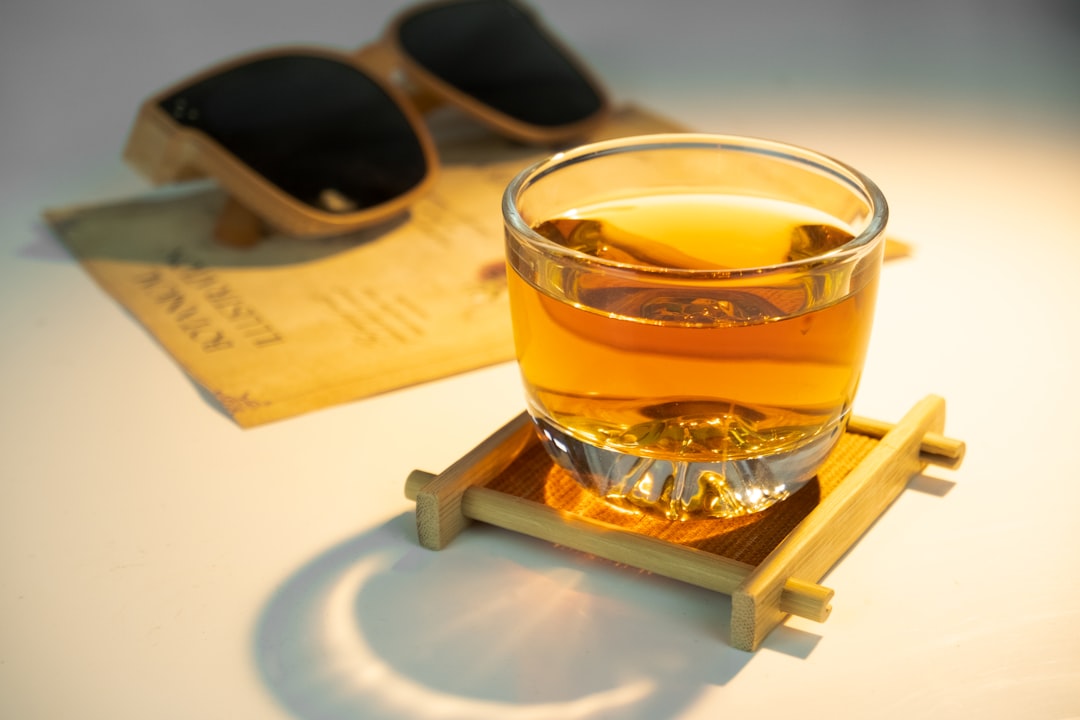
Here’s where a lot of beginner guides go wrong — they turn tasting into an intimidating ritual. Let’s simplify it. There are three stages: nose (smell), palate (taste), and finish (aftertaste). That’s it.
- Nosing: Hold the glass slightly away from your nose at first. Scotch is typically 40–46% ABV — stick your nose straight in and you’ll just smell alcohol. Tilt the glass and approach gently. Ask yourself: is it fruity? Floral? Smoky? Woody?
- Adding water: A few drops of still water genuinely opens up flavors in many whiskies. This isn’t pretentious — it’s chemistry. Water lowers the alcohol surface tension and releases aromatic compounds. Try it before and after.
- The palate: Let the whisky sit on your tongue for a moment. Notice where the flavor hits — front of the mouth tends to be sweetness, back tends to be spice and bitterness.
- The finish: How long does the flavor linger after swallowing? A long, complex finish is often a hallmark of quality. A short, harsh finish might indicate young or poorly matured spirit.
- Don’t force the notes: If someone tells you they detect “leather, dried figs, and sea spray” and you just taste “nice caramel,” you’re not wrong. Tasting is personal.
Recommended Starting Bottles for 2026 Beginners
Budget matters, so let’s be realistic. Here’s a tiered approach:
- Under $40 USD: Glenfiddich 12 Year (Speyside, approachable pear and honey), Auchentoshan Three Wood (Lowlands, soft and sherry-sweet), or Famous Grouse’s blend to ease in before going full single malt.
- $40–$80 USD: Glenmorangie Original 10 Year (floral, vanilla, crowd-pleaser), Aberlour 12 Year (rich sherry cask, incredible value), Teeling Single Malt (Irish, wine-cask aged, unique).
- $80–$150 USD: GlenDronach 15 Year (deep sherry bomb, exceptional), Springbank 10 Year (if you can find it), Nikka From The Barrel (Japanese, powerful and complex).
Realistic Alternatives If Cost Is a Barrier
Let’s be honest — premium whisky can be expensive, and price doesn’t always equal enjoyment. If you’re budget-conscious or just not sure this hobby is for you yet, here are practical alternatives to consider:
- Whisky tasting events: In 2026, most major cities host monthly whisky festivals or bar events where you pay a flat fee (~$30–$60) and access 20–40 different expressions. This is the smartest way to educate your palate without committing to full bottles.
- Whisky subscription boxes: Services like Flaviar, Master of Malt’s Tasting Sets, or The Whisky Exchange’s sample packs let you try 3cl samples of premium bottles for a fraction of the price. Highly recommended for beginners.
- Start with blended Scotch: There’s zero shame in drinking Johnnie Walker Black or Chivas 12 while you build your palate. Many seasoned enthusiasts still reach for a blend on casual evenings.
- Explore duty-free: International airports often offer some of the best whisky prices and range. If you travel frequently, this is genuinely one of the best sourcing strategies.
The bottom line? Your entry point doesn’t define your whisky journey. Marcus, my friend from the opening story, eventually found his groove with a Speyside Aberlour — fruity, rich, and not a hint of smoke. He didn’t need the most expensive bottle; he needed the right one for him. That’s the whole point of this guide: to help you find yours.
Editor’s Comment : Single malt whisky is one of those rare hobbies where the learning process is genuinely enjoyable — because every “lesson” comes in a glass. Don’t get caught up in scores, price tags, or impressing anyone else. Start simple, stay curious, and let your palate lead. The best whisky is always the one you actually enjoy drinking.
태그: [‘single malt whisky beginner guide’, ‘scotch whisky regions explained’, ‘best whisky for beginners 2026’, ‘how to taste whisky’, ‘Japanese single malt’, ‘whisky recommendations’, ‘single malt vs blended scotch’]
Leave a Reply