Picture this: you’re standing in front of a whisky shop wall — dozens of amber-filled bottles staring back at you, each with a name you can barely pronounce. Glenfiddich? Laphroaig? Yamazaki? You pick one up, squint at the label, and quietly put it back. Sound familiar? I’ve been there too, and honestly, that moment of paralysis is where most whisky journeys either begin or quietly die.
The good news? Choosing your first single malt whisky doesn’t have to feel like deciphering ancient runes. Let’s think through this together — logically, practically, and with a little bit of fun.
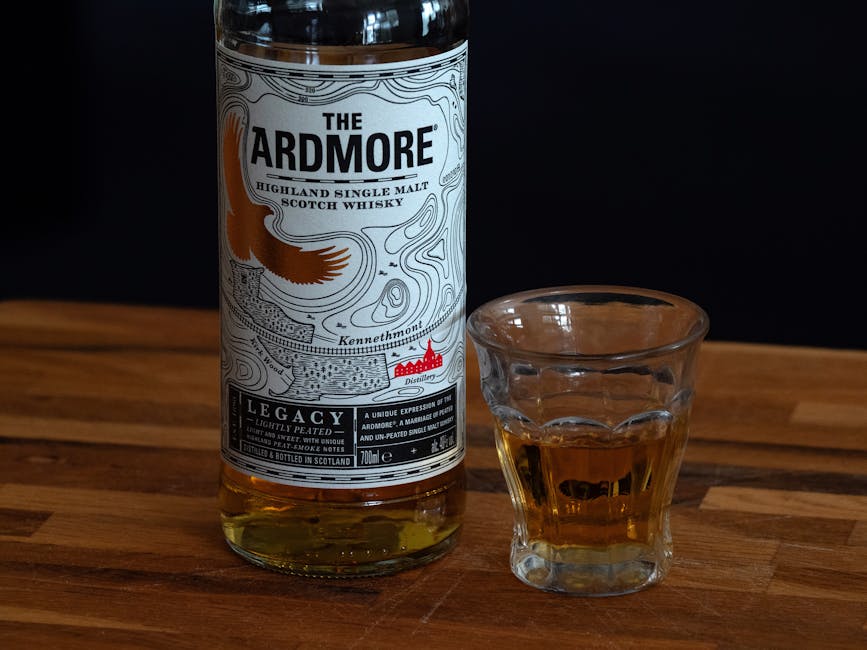
What Exactly Is a Single Malt Whisky?
Before we dive into recommendations, let’s get our terminology straight — because understanding what you’re drinking is half the pleasure.
A single malt whisky is made from 100% malted barley, distilled at a single distillery, and aged in oak casks. The word “single” doesn’t mean it comes from one barrel — it refers to the single distillery of origin. This is what separates it from blended whisky (like Johnnie Walker), which combines malts from multiple distilleries.
In 2026, the global single malt market has expanded dramatically beyond its Scottish roots, with Japan, Ireland, India, and even Taiwan producing world-class expressions. So your first bottle doesn’t have to come from Scotland — though Scotland remains the gold standard for good reason.
The Five Flavor Families: Finding Your Taste Map
Single malts speak in a language of flavor profiles. Think of them as five broad “flavor families” — knowing which one appeals to you narrows down hundreds of options to a manageable few.
- Light & Floral (Gateway Style): Gentle, approachable, with notes of honey, green apple, and fresh grass. Perfect for first-timers. Best example: Glenlivet 12 or Auchentoshan Three Wood.
- Fruity & Rich: Think dried fruits, sherry sweetness, and warming spice. Often aged in ex-sherry casks. Best example: Glenfarclas 15 or Aberlour A’bunadh.
- Malty & Nutty: Think digestive biscuits, toasted almonds, and cereal sweetness. Very food-friendly. Best example: Glenfiddich 12 or The Dalmore 12.
- Smoky & Peaty: Campfires, coastal air, medicinal notes — this is the polarizing one. Love it or hate it, but always try it at least once. Best example: Laphroaig 10 or Ardbeg 10.
- Complex & Aged: Multi-layered expressions with oak, leather, and deep spice. Usually 18 years or older. Best example: Macallan 18 or Yamazaki 18.
For most beginners in 2026, I genuinely recommend starting with the Light & Floral or Fruity & Rich categories. They’re forgiving, versatile, and won’t shock your palate before you’ve had a chance to appreciate the craft.
Breaking Down the Label: Age Statements, ABV & Cask Types
A whisky label is actually a mini data sheet — here’s how to read the key signals:
Age Statement: The number on the bottle (e.g., “12 Year Old”) tells you the minimum number of years the youngest whisky in that bottle spent maturing. More years generally means more complexity — but not always more enjoyment. Some excellent NAS (No Age Statement) whiskies like Monkey Shoulder or Glenfiddich IPA Cask are crafted for flavor rather than age.
ABV (Alcohol by Volume): Most standard releases sit around 40-46% ABV. Cask strength expressions (58-65%) deliver raw intensity but can overwhelm new drinkers. As a beginner, stay in the 40-46% zone — you can always add a few drops of water to open up the aroma anyway.
Cask Type: This is arguably the biggest influence on flavor. Ex-bourbon casks produce vanilla and honey notes (common in Speyside whiskies). Ex-sherry casks deliver rich fruit and chocolate. Ex-wine casks add complexity and a rosy sweetness. When you see “Double Cask” or “Triple Cask” on the label, it means the whisky was finished in multiple cask types — usually a more approachable, layered result.
Regional Logic: Why Geography Matters
Scottish whisky is divided into recognized regions, each with loose flavor tendencies — a useful mental shortcut for beginners:
- Speyside (most popular region): Elegant, fruity, and sweet. Home to Glenfiddich, The Macallan, and Glenlivet. A very safe starting point.
- Highlands: Diverse and robust — ranging from light and floral (Glenmorangie) to rich and peaty (Oban).
- Islay (pronounced “Eye-luh”): The smoky, peaty powerhouse. Bold, coastal, and utterly unforgettable — but not for the faint-hearted newcomer.
- Lowlands: Light, grassy, triple-distilled (sometimes). Very gentle — great for those transitioning from gin or vodka.
- Islands: Coastal character, often with a hint of brine and smoke. Highland Park from Orkney is a fan favorite globally.
Beyond Scotland, Yamazaki 12 from Japan remains one of the most recommended gateway whiskies worldwide in 2026, with its silky texture and balance of fruit and oak. Teeling Single Malt from Ireland brings a lighter, wine-cask-finished approach that’s wonderfully beginner-friendly.
Real Beginner-Friendly Picks Worth Considering in 2026
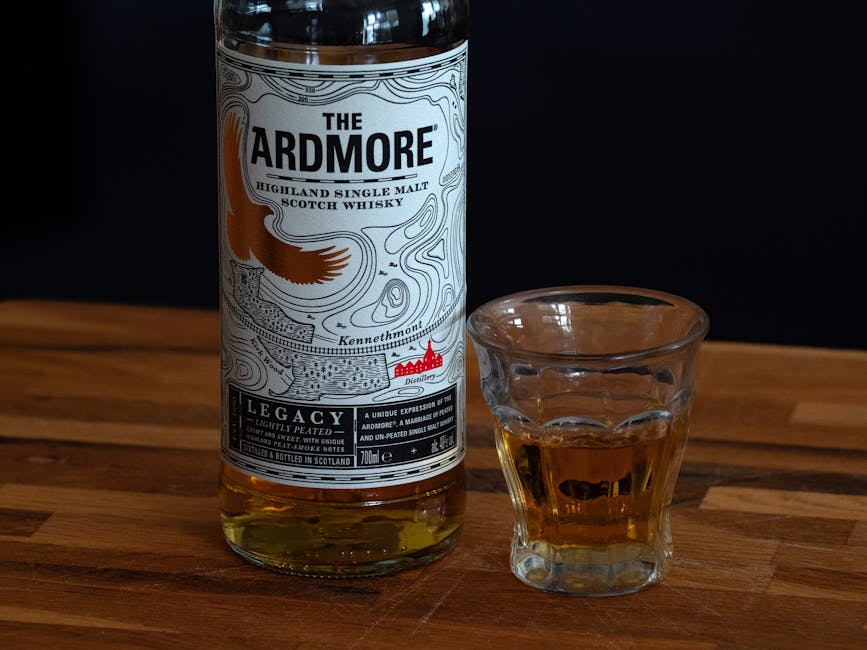
Let me give you a concrete shortlist — bottles I’d genuinely hand to a curious friend with no whisky background, based on flavor reward, availability, and price-to-quality logic:
- Glenmorangie Original 10 (Highlands) — ~$45: Vanilla, peach, and cream. One of the smoothest entry points ever made.
- Glenfiddich 12 (Speyside) — ~$40: The world’s most sold single malt for a reason — accessible, fruit-forward, reliable.
- Auchentoshan American Oak (Lowlands) — ~$35: Triple-distilled, coconut-forward, excellent value for the money.
- Monkey Shoulder (Blended Malt, NAS) — ~$30: Technically a blended malt, but often recommended as a stepping stone before going full single malt.
- Yamazaki 12 (Japan) — ~$90–110: Premium-priced but worth it for those ready to invest — refined, complex, and uniquely Japanese in character.
- Highland Park 12 (Islands) — ~$55: A perfect introduction to both smokiness and sweetness in one bottle — the ideal “bridge” whisky.
How to Drink It: The Ritual Matters
This might surprise you, but how you drink single malt makes an enormous difference in what you experience. Here’s a practical process for beginners:
- Use a tulip-shaped glass (a Glencairn glass is ideal) — it concentrates the aromas beautifully compared to a highball tumbler.
- Nose before you sip — hold the glass just below your nose, not directly under it. Let the alcohol volatiles dissipate and look for fruit, wood, or floral notes.
- Take a small, slow first sip — let it coat your tongue. Don’t gulp.
- Try adding a few drops of water — even for a 46% bottle, a little water “opens up” the whisky and reveals hidden layers. This is not diluting it; it’s unlocking it.
- Skip the ice for now — ice numbs aromas and flavors. Room temperature or slightly cool is ideal for tasting.
Realistic Alternatives If Budget Is a Concern
Let’s be honest — quality single malts can range from $35 to $350+. If you’re not ready to commit that kind of money to an unfamiliar bottle, here are smarter strategies:
Option 1 — Whisky Bars First: Before buying a full bottle, visit a whisky bar and order a pour of two or three different styles. In 2026, most well-curated bars offer 1 oz pours, meaning you can taste a $100 bottle for $15–20. This is genuinely the most cost-efficient education available.
Option 2 — Miniature Tasting Sets: Many distilleries and retailers now offer 50ml miniature packs or curated tasting flight sets. Brands like Glenfiddich, Laphroaig, and Glenlivet all have multi-pack samplers available online.
Option 3 — Whisky Subscription Boxes: Services like Flaviar or Whisky Loot (both still thriving in 2026) send curated monthly samples with tasting notes — a smart way to explore without committing to full bottles.
Option 4 — Whisky Tasting Events: Distillery roadshows and whisky festivals are surprisingly common now. Check your city’s local event calendar — many brands offer free or low-cost tasting events at specialty liquor stores.
Editor’s Comment : The best whisky isn’t the most expensive one — it’s the one that makes you curious enough to pour a second glass. Starting your single malt journey doesn’t require expertise or a big budget. It just requires the right first bottle and the patience to actually pay attention while you sip. Pick one from the beginner-friendly list above, find a quiet evening, and let the glass do the talking. You might be surprised where the conversation goes.
태그: [‘single malt whisky guide’, ‘whisky for beginners 2026’, ‘best beginner whisky’, ‘scotch whisky regions’, ‘how to choose whisky’, ‘whisky tasting tips’, ‘Speyside whisky recommendations’]
Leave a Reply