A friend of mine quit her corporate job last spring, convinced she could turn her weekend candle-making hobby into a six-figure business within a year. She’d read all the blog posts, watched every YouTube tutorial, bought a Shopify subscription, and even ordered 50 lbs of soy wax in bulk before she’d sold a single unit. Six months later, she’d moved maybe 30 candles — mostly to relatives — and her garage smelled amazing but her bank account did not.
Her story isn’t unusual. The candle business space online is flooded with surface-level advice that makes it sound deceptively easy. So let’s actually dig into what a candle business looks like in 2025 — costs, margins, competition, platforms, and where real opportunities still exist.
The Real Numbers Behind a Candle Business
Let’s start with the math that most guides conveniently skip. Here’s a realistic cost breakdown for a single 8 oz soy candle:
- Soy wax (8 oz): ~$0.60–$0.90 depending on bulk pricing (Golden Brands 464 or NatureWax C-3 typically run $1.80–$2.20/lb at retail)
- Fragrance oil (6% load): ~$0.40–$0.80 (premium fragrance oils like those from Brambleberry or Natures Garden run $15–$25 per lb)
- Container (glass jar): $1.20–$2.50 (significant cost — don’t underestimate this)
- Wick + wick sticker: ~$0.15–$0.25
- Label design + printing: $0.30–$0.60 per unit (amortized)
- Packaging (box, tissue, filler): $0.50–$1.50
- Estimated COGS per candle: $3.15–$6.55
A standard 8 oz candle retails for $18–$28. At $22 retail and $5 COGS, your gross margin looks like a healthy 77%. But that’s before platform fees (Etsy takes ~6.5% transaction fee + $0.20 listing fee + payment processing of ~3%), shipping materials, your time, and any paid advertising. When you factor those in, net margins often land between 25–40% for direct-to-consumer sales, and can drop to 10–20% if you’re wholesaling to boutiques (typically 50% of retail).
The Fragrance & Wick Testing Problem Nobody Warns You About
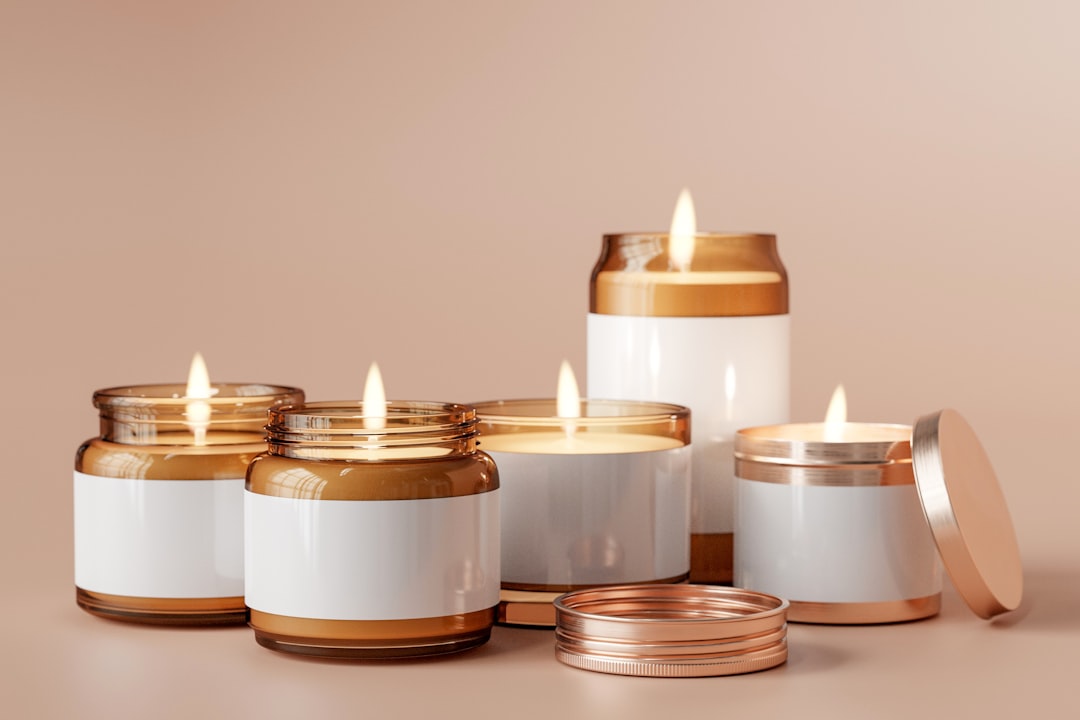
Here’s something that blindsided my friend and costs hundreds of hours industry-wide: candle testing is genuinely non-trivial. A fragrance oil that performs beautifully in paraffin will cause sink holes, poor scent throw, or mushrooming wicks in soy. Wick sizing is container-specific — a CD-18 wick that burns clean in a straight-sided 8 oz jar may tunnel badly in a wider vessel using the same wax.
The Candle Science wick guide and CandleMakers Store both publish wick recommendation charts, but these are starting points, not final answers. Industry standard is a minimum of 3 burn tests per fragrance/container combination — each test takes 4+ hours of observation. If you’re launching with 10 scents in 3 container sizes, you’re looking at 90+ hours of just testing before you’re confident in your product. Factor this into your launch timeline.
Common failure signatures to watch for:
- Tunneling: Wick too small; the melt pool doesn’t reach the edges on the first burn
- Mushrooming: Carbon buildup on wick tip — usually a cotton wick issue in high-fragrance-load blends; try a wood wick or CDN series
- Weak cold throw: Often a fragrance load issue OR the fragrance hasn’t fully bonded — soy wax needs a 48–72 hour cure minimum
- Frosting: Common in natural soy; cosmetic only, but affects perceived quality
Where Candles Actually Sell in 2025
Etsy remains the dominant discovery platform for handmade candles, but the algorithm and ad landscape have shifted considerably. As of 2025, organic ranking without Etsy Ads is significantly harder than it was even three years ago — successful shops typically spend 10–15% of revenue on Etsy Ads just to maintain visibility in competitive niches like “soy candle” or “luxury candle.”
That said, niche positioning still creates organic opportunities. Searches like “wood wick amber candle for reading nooks” or “non-toxic candle for small apartments” have lower competition and higher buyer intent than generic terms. Long-tail SEO is still very much alive on Etsy — use eRank or Marmalead (both have free tiers) to validate keyword volume before you build listings around them.
Beyond Etsy, here’s where 2025 candle sellers are finding traction:
- Instagram & TikTok Shop: Video content showing the pour process, burn aesthetics, and fragrance storytelling converts well. TikTok Shop’s affiliate program lets creators promote your products without upfront influencer fees — you pay commission on sales only.
- Local wholesale: Boutiques, coffee shops, florists, and spas still buy locally-made candles. Margins are lower (wholesale at 50% of retail is standard), but volume and brand visibility can be worth it.
- Farmers markets and craft fairs: High conversion rates because people can smell the product. Booth fees typically run $50–$200/day — profitable if you move $500+ in inventory.
- Subscription boxes: Pitching to lifestyle subscription box curators (Cratejoy network, FabFitFun, etc.) can generate bulk orders, though they often negotiate aggressively on price.
What Successful Candle Brands Do Differently
Looking at brands that have scaled past the hobbyist phase, a few patterns emerge consistently. P.F. Candle Co. built its brand on industrial-aesthetic vessels and distinct fragrance storytelling before Etsy was even a major channel — they controlled their narrative through photography and editorial placement. Keap Candles differentiates on sustainability (refillable containers, carbon offsets) and has built a loyal DTC subscriber base. Neither competed on price.
The brands that struggled or disappeared were almost always competing on generic “clean” or “luxury” positioning without a memorable hook. In 2025, with thousands of candle shops on Etsy alone, the differentiator question isn’t optional — it’s existential. Ask yourself: why would someone who can’t smell my candle choose mine over the 200 results above me in search?
Practical differentiation angles that still have room in 2025:
- Hyper-local identity: Scents inspired by specific cities, neighborhoods, or regional landscapes (think “Pacific Northwest Rain” or “Brooklyn Summer”) with authentic storytelling
- Wellness/functional positioning: Sleep-focused, focus-enhancing, or anxiety-reducing blends with specific essential oil content disclosed (appeals to ingredient-conscious buyers)
- Refill programs: Reduces long-term COGS for repeat customers and builds loyalty — operationally complex but a real differentiator
- Cause alignment: Donating a portion to a specific, verifiable cause — buyers respond to specificity (“$2 from every candle funds reforestation in X region”) over vague charity claims
Legal and Compliance Basics You Can’t Skip
One area most startup guides gloss over: candles are regulated products. In the US, the Consumer Product Safety Commission (CPSC) has guidelines on candle safety labeling, and fragrance oils must comply with IFRA (International Fragrance Association) standards — reputable suppliers like Candle Science, Bulk Apothecary, and Natures Garden provide IFRA certificates for their oils. Make sure you’re using them.
Your labels need to include: warning language (keep away from children, never leave burning candle unattended, etc.), burn time, net weight, and your business contact. The National Candle Association provides a free label compliance guide that’s worth bookmarking. If you’re selling wholesale to larger retailers, you’ll likely need proof of liability insurance — a $1M general liability policy typically runs $400–$600/year for a home-based candle business.
Realistic Timeline and Expectations
Based on patterns from successful small-batch candle brands, here’s a more honest ramp timeline for someone starting in 2025:
- Months 1–2: Formula testing, container and fragrance sourcing, brand identity, label design — minimal to zero revenue
- Months 3–4: Soft launch (Etsy + local markets), first 20–50 sales, gathering reviews and feedback — expect to break even at best
- Months 5–8: Iterate on what sells, start Etsy Ads with a small daily budget ($1–$3/day), build Instagram/TikTok presence — first signs of consistent revenue
- Months 9–12: If traction exists, explore wholesale outreach or subscription model — realistic to hit $1,000–$3,000/month revenue with serious effort
- Year 2+: Scaling requires either production efficiency (batch sizing, faster pour workflow) or premium pricing that justifies your time at scale
Treating month one like month twelve is the mistake that burns through startup capital fastest. The candle business is genuinely viable — but it’s a brand-building exercise that takes 12–18 months minimum to get real signal on whether your positioning is working.
If you’re in it for a creative side income: keep your startup inventory small, test at local markets before scaling production, and use Candle Science or similar all-in-one suppliers to simplify sourcing while you find your footing. If you’re aiming to replace a full-time income, plan for an 18-month runway and treat branding, photography, and niche positioning as non-negotiable investments from day one — those are the levers that actually determine whether your candle business thrives or becomes a very fragrant garage full of unsold inventory.
📚 관련된 다른 글도 읽어 보세요
- Why I Almost Gave Up on Microneedling — Honest 2025 Guide for Real Results
- Why I Almost Missed My Flight Trusting Generic Advice — Real 2025 Guide to Traveling with a CPAP Machine
- 아직도 무선 이어폰 아무거나 사세요? 2026년 기준 진짜 쓸 만한 제품만 골랐습니다
태그: []
Leave a Reply